Choosing a mobility scooter sounds simple until you actually try to do it. Then you realize you’re juggling three things that refuse to cooperate: portability, stability, and cost. The scooter that folds into a neat little package for your trunk often feels unbalanced outdoors. The stable, reliable 4-wheel model that eats sidewalk cracks for breakfast can be a pain to transport. And the “budget-friendly” option can get expensive fast once you factor in batteries, accessories, repairs, and more.
The goal here isn’t to hand you a random “top 10” list and call it a day. It’s to give you a framework you can actually use: how to evaluate your needs, how scooter categories differ in real life, and which models are strong picks for 2026 based on performance, features, and overall value.
We’ll walk through three decision points: the core features that matter, the main scooter types (and who they’re really for), and a few standout models for 2026 including travel, stability, all-terrain, and best overall value.
What Are the Key Factors in Choosing a Mobility Scooter?
- Usage & Environment: Smart buyers don’t argue about a 1-mile range difference – they check whether the scooter fits their doorway, their trunk, and their daily terrain. Start with thinking about where you’ll actually drive the scooter. Indoor use means narrow hallways, tight turns around furniture, thresholds, and maybe carpet. Outdoor use means sidewalks, curb cuts, brick paths, and the occasional slope you didn’t notice until you were halfway up it. Travel use adds a whole different layer: getting it into a trunk, storing it in a hotel room, navigating airports, and (if you fly) dealing with airline rules.
Your lifestyle is more important than your specific diagnosis here. A person with “mild” mobility limitations who lives in a hilly neighborhood might need a more advanced scooter than someone with “worse” limitations who mostly moves around a flat condo building. - Performance & Range: Range and speed aren’t bragging rights; they’re risk management. If your scooter tops out at a short range and you regularly push it to the edge, there’s a chance you’ll end up getting stranded at the worst possible time.
Many popular models sit around the 10 to 15 mile range, while some all-terrain options go up to 25 miles. Top speed varies too. Some travel scooters hit higher numbers – even up to 10 mph – but most standard or travel scooters stay in the 3.7 to 5 mph zone. Your “right” speed depends on control and environment. And don’t ignore terrain capability: mobility scooters designed for grass, gravel, and slopes tend to pair stronger motors with better tires and suspension. That can mean the difference between a smooth ride and feeling every crack in your spine! - Portability & Size: Mobility scooter portability isn’t just “does it fold or disassemble.” It’s how it folds or disassembles, whether you can do it alone, and whether you can lift the device or its pieces.
Some scooters fold automatically with a button, others fold manually, and many portable 3- or 4-wheel scooters disassemble into multiple pieces. That last option can be great unless the heaviest piece is still too heavy for you or your caregiver. Also pay attention to turning radius if you’ll use it indoors; tight maneuvering matters more than people expect. If you’ve ever tried to do a three-point turn in a narrow hallway, you already understand this. - Comfort & Control: Comfort isn’t a luxury feature if you’ll use the scooter daily. Seat design, back support, and adjustable armrests matter, especially for longer outings. Some models highlight generous legroom, with some larger scooters listing up to 44 inches of legroom. This can be a real quality-of-life upgrade, specifically for taller individuals.
Control style matters too. You’ll usually see standard tillers and delta tillers. Delta tillers can feel easier and more natural for many riders, especially if hand strength or dexterity is a concern, because the hand position stays more relaxed. This is one of those “test it for 30 seconds and you’ll know” things. - Safety & Stability: Here’s where we’ll take a stance: people obsess over “small and light” and then act surprised when the scooter feels less secure. Stability comes from design choices, wheel configuration, center of gravity, wheelbase width, and features like anti-tip wheels. In general, 4-wheel scooters are more stable and balanced, while 3-wheel scooters need less space to turn and can feel more nimble indoors.
Safety features you should actually care about include lighting (headlights, taillights), anti-tip components, and practical details like freewheel mode (so you can move the scooter manually when needed). A battery life indicator (LCD/LED) can also count as a safety features – running low without realizing it is how people end up stranded in parking lots.
What Are the Main Types of Mobility Scooters?
- Travel/Folding Scooters: These are the lightweight, portability-first models often designed to fold or disassemble without tools, fit in trunks, and work well for people who are traveling with a disability. Many are also listed as airline or FAA-friendly.
You’ll see a lot of lithium batteries here and features like auto-folding. The trade-off is usually slightly less stability and smaller wheels, which can feel less forgiving on rough sidewalks or uneven surfaces. If your world includes airports, cruise ships, and hotel lobbies, travel scooters make a ton of sense. If your world includes potholes and gravel, you’ll feel the compromise. - 3-Wheel Scooters: Three-wheel designs win on maneuverability. They turn tighter and handle indoor navigation well: think apartments, stores with narrow aisles, and crowded spaces. The stability is typically lower than a comparable 4-wheel design, especially during turns or on uneven ground. For indoor-heavy use and shorter outdoor excursions, they can be a smart fit. For balance issues or confidence problems, many riders feel better on four wheels.
- 4-Wheel Scooters: Four wheels usually mean a more stable platform, especially outdoors. A wider wheelbase and lower center of gravity help prevent that “tippy” feeling when turning or rolling over uneven surfaces.
Compact 4-wheel models can still work for errands and suburban environments, while full-size outdoor scooters push stability even further with bigger tires, suspension, and stronger builds. If you’re buying one scooter that needs to perform well in all situations of your daily life, this category often gives the best “set it and forget it” experience. Just make sure you can transport or store it! - Heavy-Duty Scooters: Heavy-duty scooters exist for a reason: higher weight capacities, more rugged construction, and better performance on rougher terrain. They’re also a strong choice for people with significant balance challenges who want maximum stability. You’ll often see bigger seats, stronger motors, more ground clearance, and more serious tires, sometimes pneumatic for better shock absorption.
The downside is exactly what you think it would be – they’re heavier, larger, and usually more expensive.
Which Are the Top WHILL Mobility Scooters for 2026?
The criteria here is all practical: performance, user reviews, value, and confidence-inspiring design. You’ll also want to consider models that have strong ecosystems for warranty support, parts availability, and an established track record.
- What is the Best Scooter for Travel in 2026?
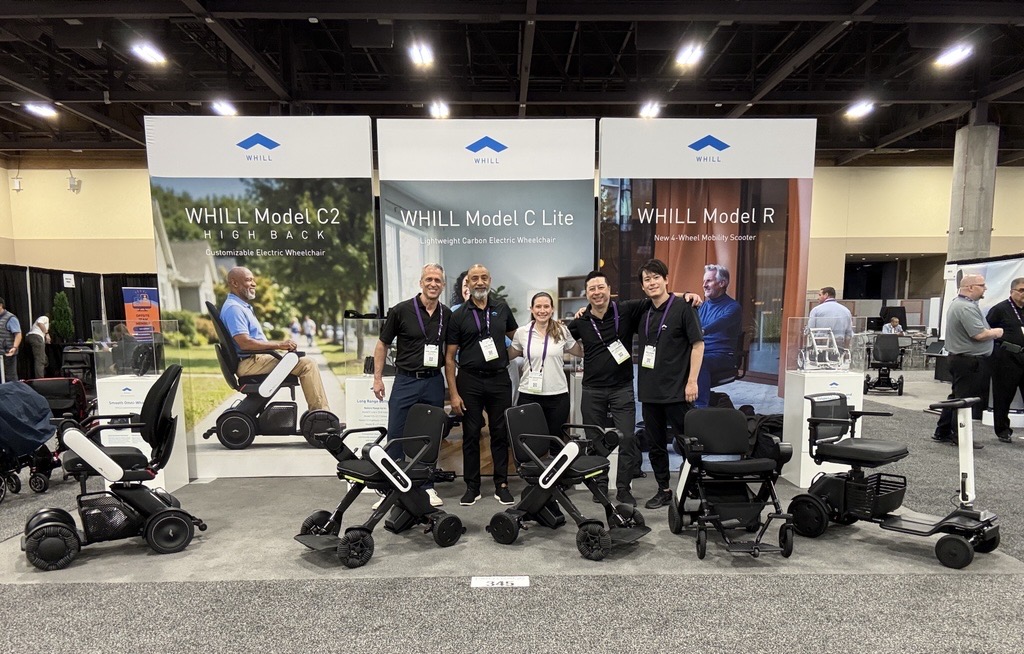
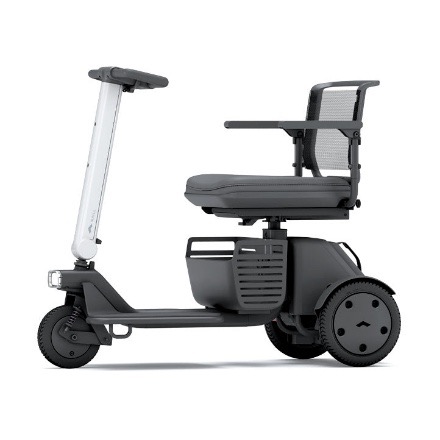
WHILL Model R 3-Wheel: If you want travel convenience without wrestling a scooter into your trunk likeit’s a gym workout, the Model R 3-Wheel is a consistent standout. It’s lightweight for its class, disassembles, features app connectivity, and is airplane-approved for travel. It also sports a solid driving range of up to 12 miles per single charge. This is the kind of scooter that fits the “I want to get the ball rolling again airports, museums, family trips without planning my day around mobility” use case. The real win is its simplicity: fewer steps to disassemble, fewer pieces to manage, fewer excuses to leave it at home.
- What is the Best Scooter for Stability in 2026?
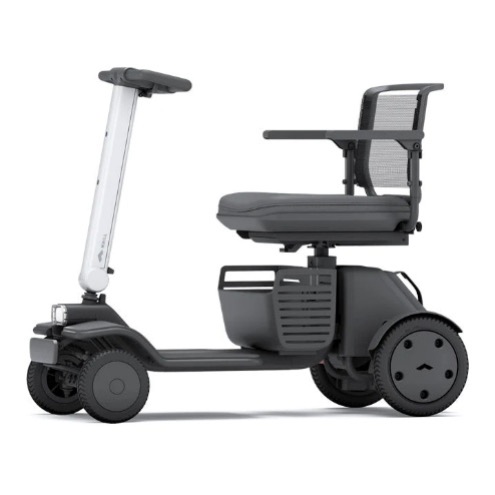
WHILL Model R 4-Wheel: When people say they want stability, they usually mean “I don’t want to feel like I’m about to tip when I turn.” A compact scooter like the Model R 4-Wheel hits the sweet spot for daily errands: solid balance, straightforward steering, and unparallelled stability thanks to its suspension and stabilizer. Its dual motor system also allows the wheels to turn at a right angle, meaning you get the maneuverability of a 3-wheel model with the balance of a 4-wheel scooter. - What is the Best Scooter for Tough Terrain in 2026?
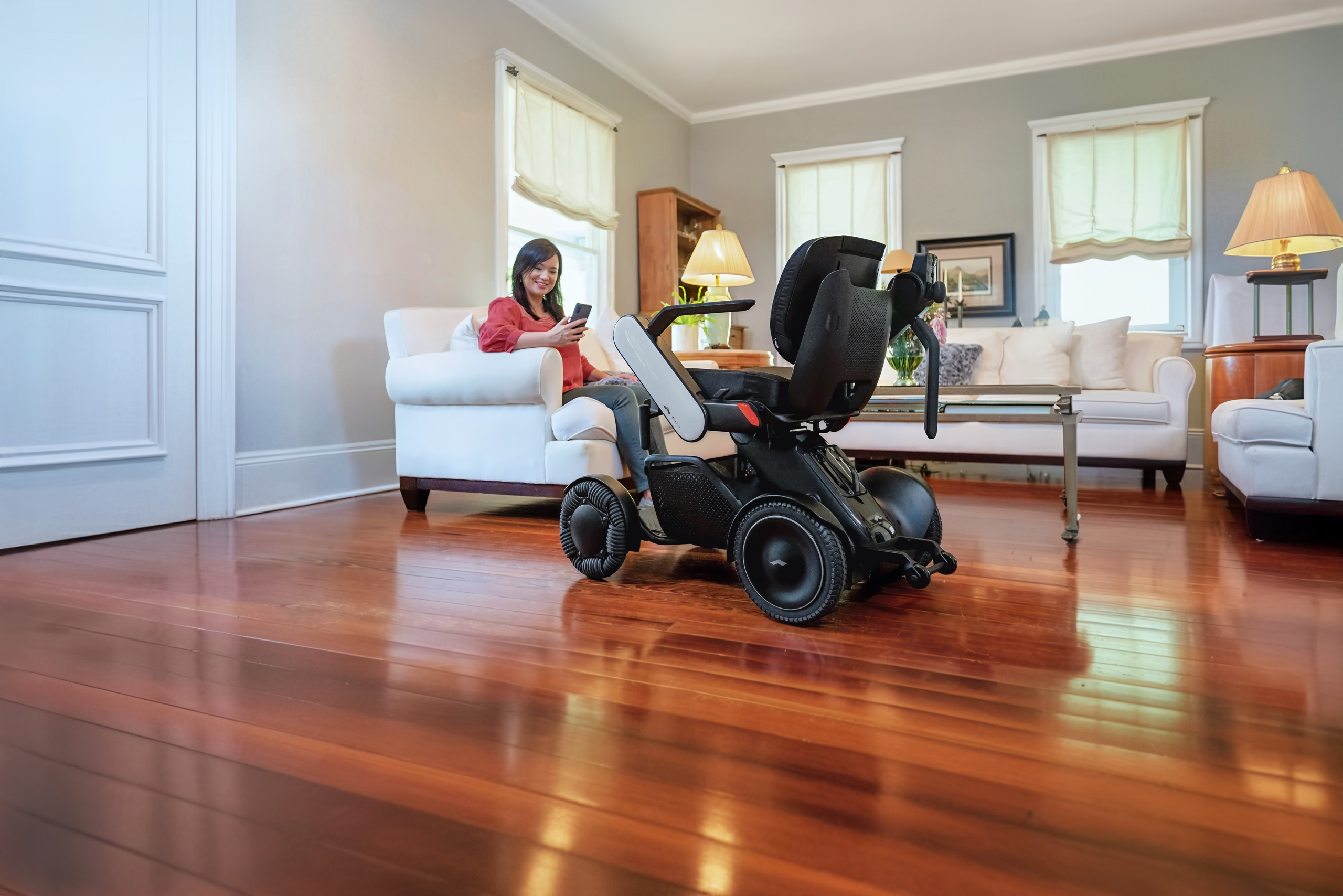
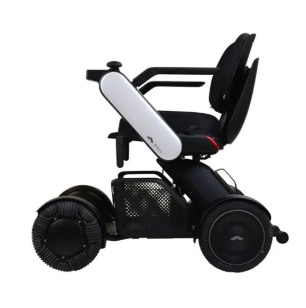
WHILL Model C2: All-terrain is a loaded term, because some scooters get labeled “all-terrain” when they really mean they can handle a slightly imperfect sidewalk. While the Model C2 is an electric wheelchair rather than a mobility scooter, it handles difficult and uneven terrains better than most standard scooters. This is largely thanks to its four-wheel suspension and patented omni-wheels, which WHILL designed specifically for the personal mobility industry and enable the chair to turn on the spot. If your daily environment includes grass, gravel, or regular slopes, you want a device that is built to handle these terrains, not one that merely scrapes by.
- What Mobility Scooter Provides the Best Overall Value in 2026?
WHILL Model R: Value is about balance – reliability, practical features, and a price that doesn’t punish you for needing help getting around. Both the Model R 3-Wheel and 4-Wheel Scooters provide excellent value depending on your specific requirements.
Both models disassemble into four pieces and offer a range of over 10 miles, which (for most users) is more than enough for errands and day-to-day movement. The Model R also checks a lot of sought-after boxes: safety features, portability through disassembly, and a design that makes sense for mixed indoor/outdoor use. If you want one scooter that performs well and doesn’t demand constant compromises, the WHILL Model R is the perfect place to start.
| Top WHILL Mobility Scooters for 2026 – Comparison Table | |||||
| Price | Driving Range | Top Speed | Weight Capacity | Turning Radius | |
| WHILL Model R 3-Wheel | $2,399.00 | 12 miles | 5 mph | 325 pounds | 35.8 inches |
| WHILL Model R 4-Wheel | $2,499.00 | 10.7 miles | 5 mph | 325 pounds | 38.2 inches |
| WHILL Model C2 | $3,999.00 | 12.4 miles | 5 mph | 300 pounds | 29.9 inches |
Please note: equipment specs may vary depending on your region and desired accessories and add-ons.
How Do You Pay for a Mobility Scooter?
Mobility scooters can cost anywhere from $750 to $6,900 depending on the brand, category, weight capacity, and features. Travel scooters start near the low end for basic models, while advanced folding designs and premium builds often land in the $1,500 to $4,000 range (and sometimes higher). Four-wheel and outdoor-capable scooters usually cost more than bare-bones travel models because stability, suspension, and build quality aren’t free. Heavy-duty scooters sit toward the top of the price range because you’re paying for stronger frames and rugged components.
Medicare coverage is where people get tripped up, because the internet tends to summarize it simply as “Medicare covers scooters.” In reality, Medicare Part B may cover a mobility scooter as Durable Medical Equipment (DME) but only if a doctor prescribes it and Medicare deems it medically necessary. When it does apply, people commonly still pay a 20% copay. The scooter also has to come from a supplier enrolled in Medicare.
The process usually starts with a doctor visit and a prescription, but the real work is proving medical necessity: documenting that you have a severe mobility limitation and that you can’t perform daily activities in the home without the device. That “in the home” requirement is the part many people don’t expect. You may also need additional evaluation or documentation depending on the situation. It’s not a quick checkout-button experience; it requires paperwork and patience.
Other payment paths include:
- Private insurance sometimes reimburses part of the cost, but it varies widely.
- Many retailers offer financing plans, which can help with cash flow but still require you to do the math on total cost.
- Refurbished models can be a solid option if you buy from a reputable seller and understand battery health and warranty terms. Batteries have a typical lifespan of 18 months to 3 years, so a “great deal” can become less great if you immediately need a replacement.
What Common Mistakes Should You Avoid When Buying?
- Buying only for today: Mobility doesn’t usually improve in a straight line, and even if it does, you still want a scooter that won’t become obsolete the moment your needs change. Planning for future needs doesn’t mean buying the biggest heavy-duty scooter on day one. It means leaving yourself a little margin for weight capacity, comfort, and stability so you’re not forced to replace the scooter in a year because it no longer fits your lifestyle.
- Prioritizing portability over stability: This is especially true when your primary environment demands a stable scooter. We get why this happens. Folding scooters look convenient. “Lightweight” sounds like freedom. But if you spend most of your time outdoors on uneven sidewalks, a less robust mobility scooter can feel like driving a shopping cart with a wobbly wheel. You can do it, but you’ll hate it.
If stability is the daily requirement, pick a scooter like the WHILL Model R 4-Wheel, which has suspension and stabilizer. You can then get separate add-ons like a ramp, vehicle lift, and more if needed. - Underestimating seat comfort: this usually happens because people test a scooter for five minutes and think, “Seems fine.” Then they use it for an hour and realize the seat height is wrong, the armrests don’t land where they should, or the posture support isn’t there.
Supportive seating and adjustable armrests matter, especially for riders with balance issues. Comfort isn’t vanity – it’s about allowing you to live your daily life without pain and frustration. - Not accounting for hidden costs: these can sneak up on you. Batteries wear out first, and again, you’re looking at 18 months to 3 years for typical lifespan, although modern lithium batteries can often last up to 5 years or more depending on usage.
Accessories add up too: baskets, mirrors, weather protection, replacement tires, service visits. And if you buy a scooter with fancy features but weak support, repairs can become their own hobby. Not the fun kind.
How to Make Your Final Decision
The process of finding the best mobility scooter for you is straightforward once you stop trying to take shortcuts. Assess your environment, match your needs to a scooter type, then compare a few top models that fit that category.
Need a scooter for tight spaces? A 3-wheel or compact design can make sense. Outdoor errands and uneven sidewalks? A 4-wheel model with stability features is likely your best choice. Travel constantly? Scooters that fold, disassemble, and have airline-friendly designs should be at the top of your list. Rough terrain, slopes, or higher capacity needs? That’s heavy-duty territory.
Test-driving is the fastest way to validate comfort, controls, seat feel, tiller style, turning confidence, and whether the scooter feels stable in a real turn. If you can arrange a test-drive, do it. If you can’t, at least buy from a retailer with transparent return policies or trial options.
And yes, talk to a healthcare professional or physical therapist if you can. Not because they’ll pick a brand for you, but because they can sanity-check the match between your mobility, balance, and daily environment. A scooter should expand your independence, not introduce a new set of problems. At the end of the day, the “best” scooter is the one you’ll actually use comfortably, safely, and without hassle on a daily basis.
References
- https://whill.inc/us/tips-for-traveling-with-a-disability/
- https://whill.inc/us/your-guide-to-transporting-a-mobility-scooter/
- https://whill.inc/us/mobility-scooter-speed-everything-you-need-to-know/
- https://www.medicare.gov/coverage/durable-medical-equipment-dme-coverage
- https://whill.inc/us/whill-model-r-4-wheel/
- https://whill.inc/us/whill-model-r-3-wheel/
- https://whill.inc/us/whill-model-c2/