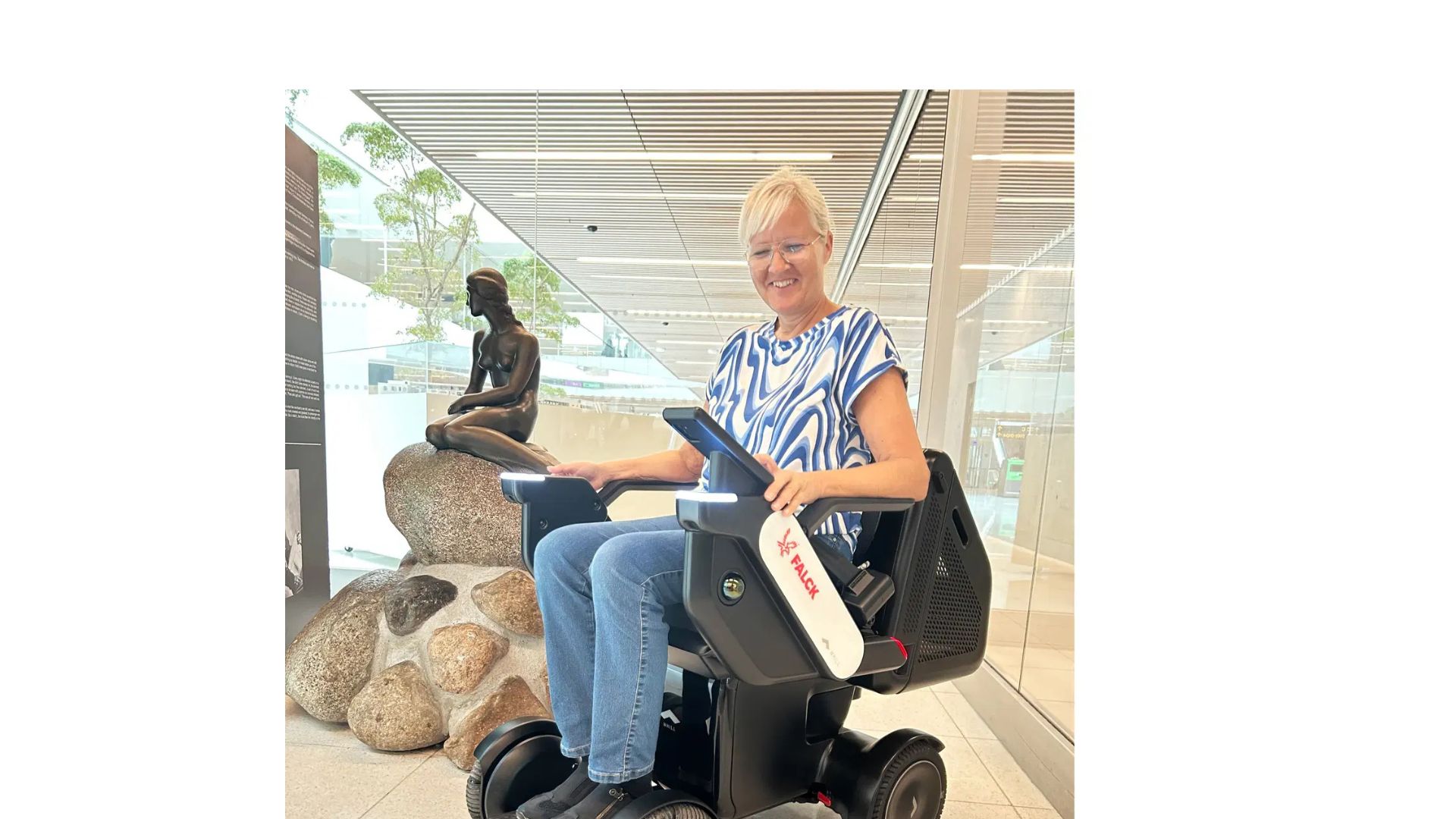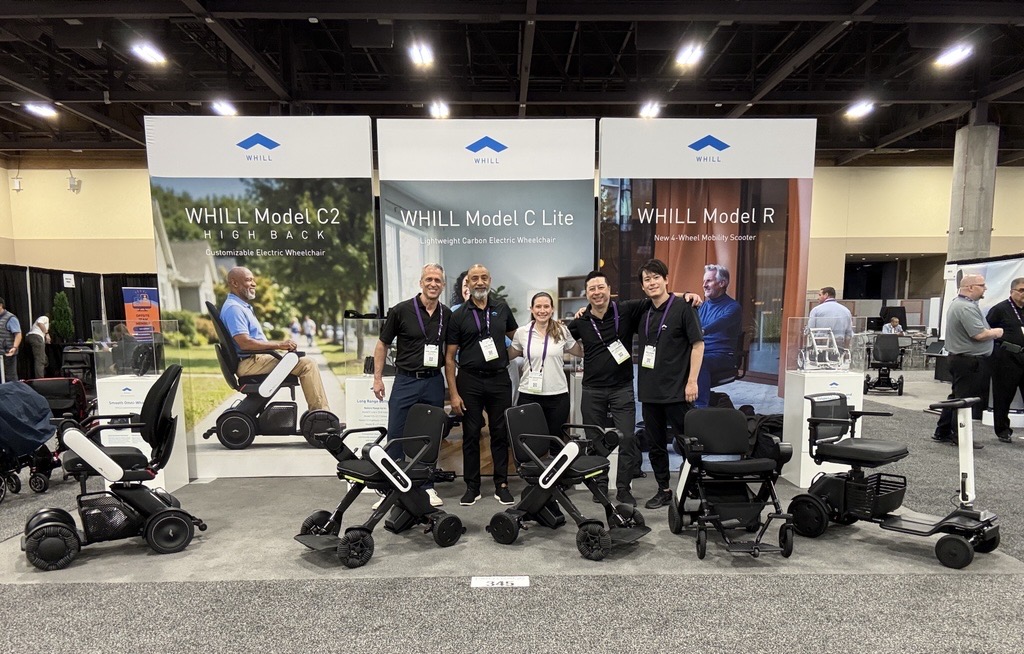
Power chairs and electric wheelchairs offer independence and confidence to people with limited mobility. They are engineered for comfort, safety, and ease of use when you need more support than a manual wheelchair can offer. The right mobility device helps you live life on your terms, dramatically improving your access to travel and allowing you to explore the outdoors or wherever fun and adventure take you.
This guide gives you the information you need to choose a device that is best suited to your needs, lifestyle, and goals.
What Is a Power Chair (or Electric Wheelchair)?
Power chairs and electric wheelchairs are two names for the same mobility device — a battery-powered wheelchair designed to help you move with confidence and independence. These devices use motors, rechargeable batteries, and intuitive controls, often a joystick, to make getting around easier for people with limited mobility.
When choosing a power chair, you’ll find two main styles — portable lightweight electric wheelchair options and traditional electric wheelchairs. Each offers unique benefits depending on your lifestyle and needs.
Portable Electric Wheelchairs
Portable electric wheelchairs are designed for life on the go. They’re lightweight, compact, and easy to fold or disassemble, making them perfect for travel, errands, and social outings. Choose a portable power wheelchair if you value:
- Effortless transport and storage, especially great for car trips or air travel
- A compact, highly maneuverable device for indoor spaces
- Modern technology, customization, and sleek design
- A device that supports an active, tech-savvy lifestyle
Traditional Electric Wheelchairs
Traditional electric wheelchairs are designed for comfort and support, particularly for individuals who spend extended periods in their chair. They’re typically more robust and offer additional features for stability and all-day use. Consider a traditional model if you need:
- Enhanced comfort and support for longer sitting or all-day use
- A stable, durable device for indoor and outdoor environments
- Higher weight capacity or specialized postural support
- Reliable performance across a variety of surfaces and terrains
If you’re unsure which style fits your needs, consult a health care professional or occupational therapist. They can help you assess your mobility, environment, and daily routine to find your ideal match.
Types of Power Chairs and Electric Wheelchairs
Mobility devices come in a range of designs to suit different needs and preferences.
Travel Wheelchairs
Travel and portable power wheelchairs are compact, lightweight, and designed for easy transport. They can be quickly disassembled or folded, making them ideal for users who travel often, live in cities, or need to navigate crowded spaces. These chairs are perfect for those who prioritize convenience and maneuverability over rugged, outdoor use.
Foldable Wheelchairs
Foldable wheelchairs feature a simple folding mechanism that allows users to collapse the chair in seconds for storage or transport. They’re a great choice for people with limited storage space, those who want a compact yet comfortable device, or anyone needing a chair that adapts easily to different environments.
Lightweight Wheelchairs
Lightweight electric wheelchair options are built with lighter materials and smaller frames. They’re easy to handle, especially for users with limited strength, and they excel in indoor settings or tight spaces. These chairs are best for those who value maneuverability and convenience for everyday use.
Heavy-Duty Wheelchairs
Heavy-duty power chairs are designed for maximum stability, comfort, and durability. With larger frames, stronger motors, higher weight capacities, and a longer battery life, they’re ideal for users who need extra support or anyone who often travels outdoors on rough or uneven terrain. These models offer enhanced safety and comfort features for peace of mind.
Key Features to Consider
The right features can make all the difference in your daily experience. Here’s what to look for when considering your electric wheelchair and power chair options:
- Battery life and range: Since ranges can vary greatly, consider how far you need to travel on a single charge.
- Seat comfort and adjustability: Look for ergonomic seating, adjustable backrests, and customizable cushions for all-day comfort.
- Maneuverability and turning radius: A smaller turning radius is crucial for tight indoor spaces. Larger models may offer better outdoor performance.
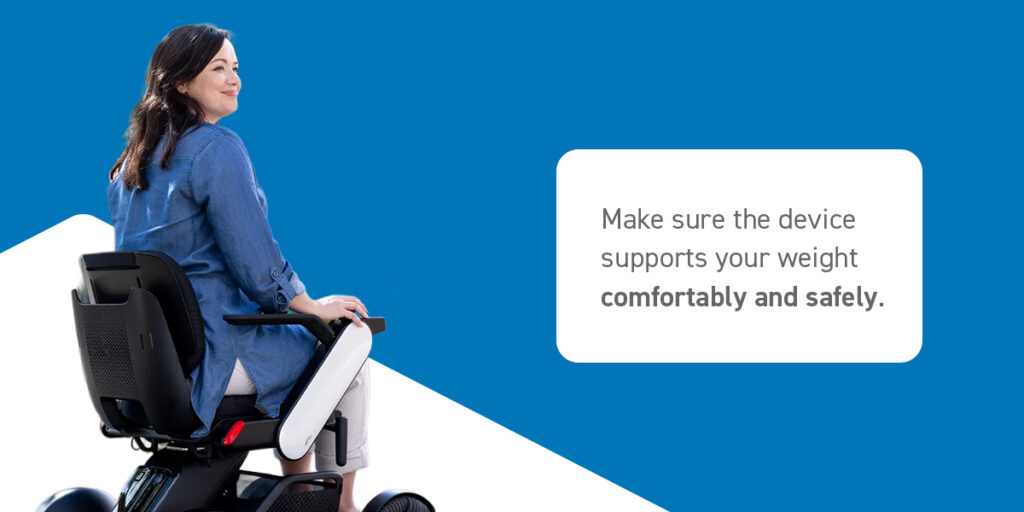
- Weight capacity: Make sure the device supports your weight comfortably and safely.
- Portability and storage features: Folding frames or quick disassembly make transport and storage easier.
- Controls and customization: Options include touch controls, smart technology and app integration, and programmable settings.
- Safety features: Seat belts, anti-tip wheels, lighting, and stability controls provide added peace of mind.
How to Choose the Right Device
Selecting the best mobility device is a personal decision. Here’s how to find the perfect match for your needs and lifestyle:
- Consider where and how you’ll use the device most — indoors, outdoors, or both.
- Occupational therapists and doctors can provide valuable input based on your medical and mobility needs. Professionals can also advise on the best power chairs for older adults and the unique challenges they face.
- Take advantage of test drives or demo programs to experience different models firsthand.
| Category | Portable / Travel Power Chair | Traditional Electric Wheelchair | Heavy-Duty Power Chair |
|---|---|---|---|
| Best For | Travel, errands, compact living | Daily extended use | Outdoor terrain & higher support needs |
| Weight & Portability | Lightweight, folds or disassembles easily | Heavier, less compact | Heaviest, built for durability |
| Comfort Features | Streamlined seating | Enhanced cushioning & posture support | Reinforced seating & stability |
| Maneuverability | Tight turning radius for indoor use | Balanced indoor/outdoor performance | Optimized for rugged environments |
| Battery & Range | Ideal for day trips | Designed for all-day performance | Longer range & stronger motors |
| Technology | Often includes smart features & app integration | Core mobility technology | Enhanced stability & safety systems |
Cost, Insurance, and Funding Options
Mobility devices are an investment in your independence and quality of life. Understanding the costs involved — and the funding options available — can help you make a confident, informed decision.
Typical Price Ranges
Prices vary based on features, technology, and brand, while customization and advanced technology will increase costs. Lightweight or portable power wheelchairs are typically on the lower end of the spectrum, while heavy-duty models built for higher weight capacities and maximum durability will likely cost more.
Insurance Coverage and Requirements
Coverage and requirements vary widely depending on your insurer, health plan, and medical condition.
Medicare Part B may cover power chairs and electric wheelchairs if they are deemed medically necessary and prescribed by a doctor. The device must be used primarily in the home, and documentation is required. Medicaid coverage varies by state but often includes mobility devices for eligible individuals with a demonstrated medical need.
Many private insurance plans offer partial or full coverage for medically necessary mobility devices. Check with your provider for specific requirements and documentation. Insurance approval typically requires a doctor’s prescription and a detailed assessment of your mobility needs.
Grants, Loans, and Other Funding Resources
Many nonprofits offer grants or financial assistance for mobility devices. Examples include the Muscular Dystrophy Association and the Multiple Sclerosis Foundation. The U.S. Department of Veterans Affairs also provides funding and support for eligible veterans needing mobility aids.
State assistive technology programs and vocational rehabilitation services may offer funding or low-interest financing. In addition, some charitable organizations and community foundations also provide support for people who need mobility devices.
Always check with your insurance provider and local agencies for the most up-to-date information on coverage and funding options. If you need help navigating the process, consider reaching out to a social worker, occupational therapist, or nonprofit advocacy group.
Maintenance, Care, and Safety Tips
Proper care keeps your device running smoothly and helps ensure your safety. Here’s how to maintain your power chair or electric wheelchair for years of reliable use:
- Routine maintenance checklist: Inspect tires, brakes, and controls. Tighten bolts and check for wear.
- Battery care and charging best practices: Charge batteries fully after each use and avoid letting them drain completely to extend lifespan.
- Cleaning and sanitizing tips: Wipe down surfaces with mild soap and water. Avoid harsh chemicals that can damage components.
- Safety guidelines: Follow manufacturer instructions and avoid steep inclines or wet surfaces. Many power chairs also come with optional lap or seat belts for added security.

Experience the WHILL Difference for Yourself!
For more than 10 years, WHILL has been dedicated to delivering fun, innovative mobility solutions that break down barriers and change the way people move — indoors, outdoors, or wherever you choose to travel. If you’re ready for a smarter, more stylish way to get around, we invite you to explore our products and experience the WHILL difference.
Schedule a test-drive or find a retailer near you to see how our innovative power chairs and electric wheelchairs can transform your daily life.