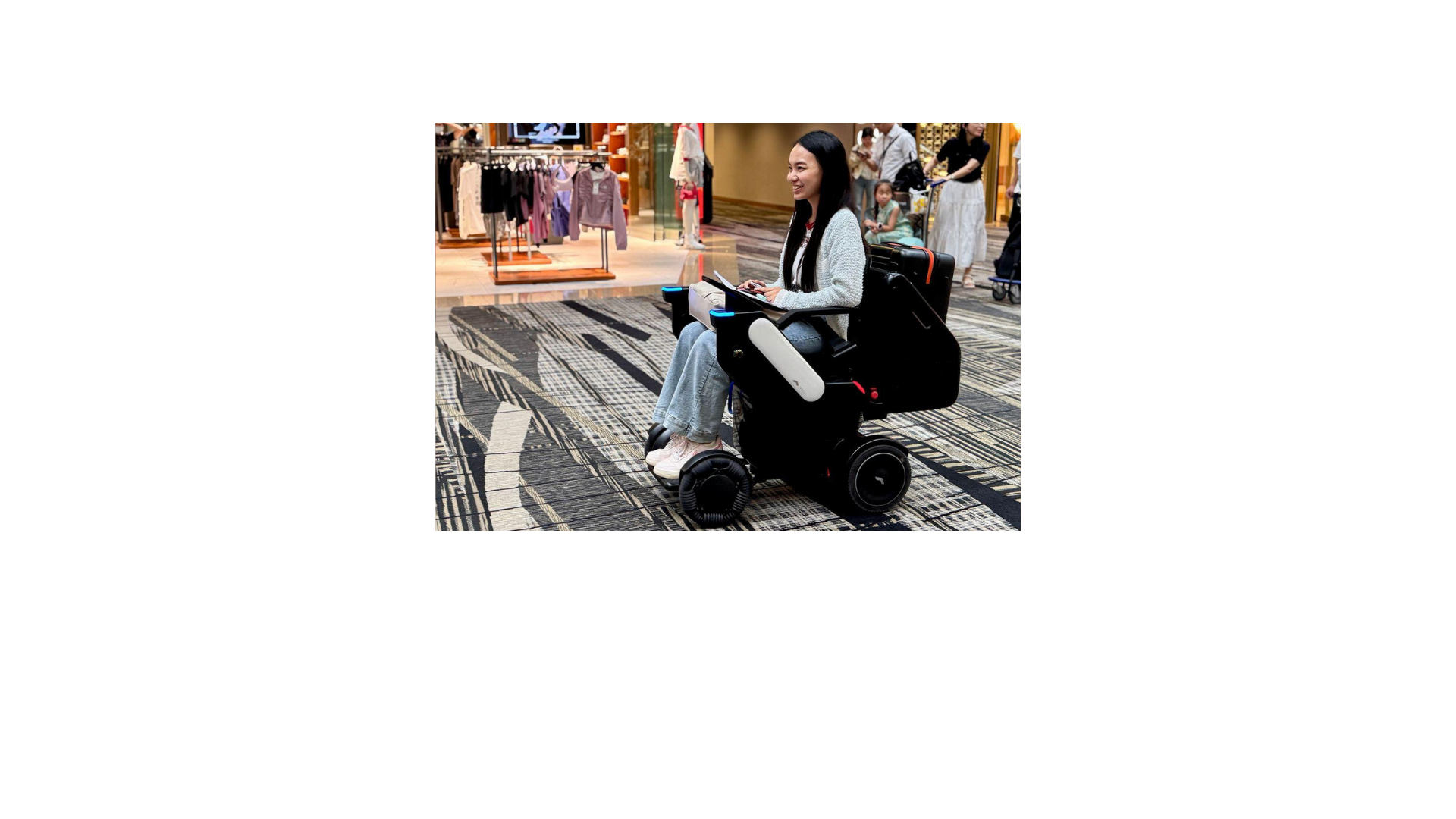
WHILL’s largest airport deployment yet, 18 units, addresses the global challenge of aging populations and rising passenger volumes while improving airport operational efficiency
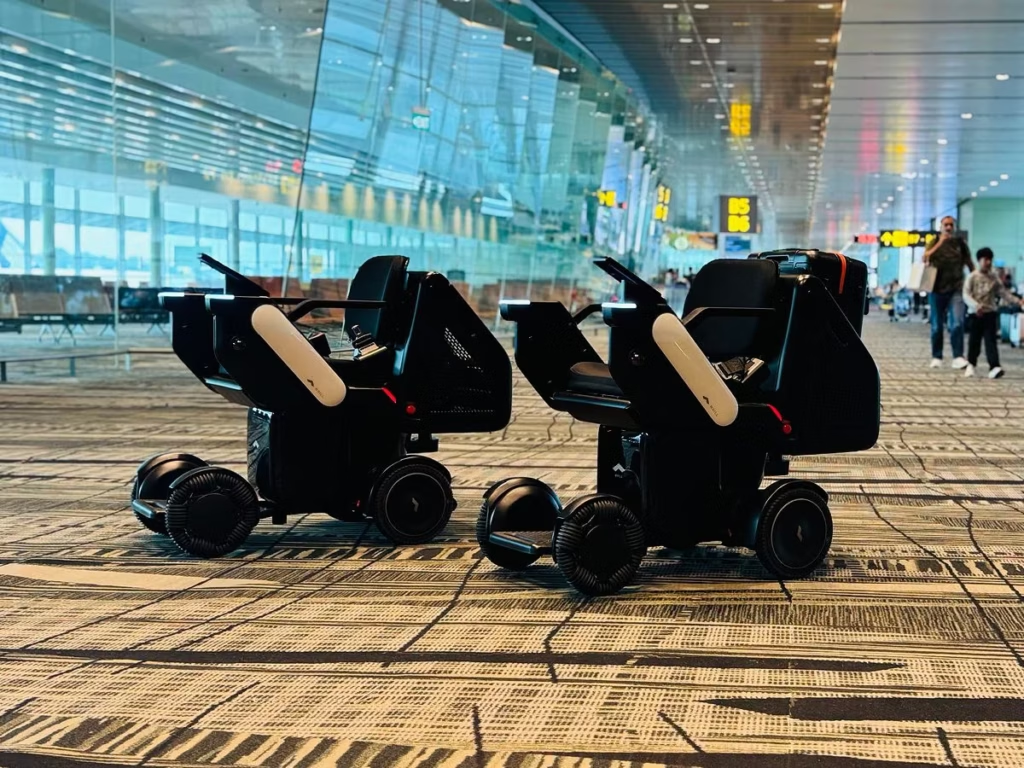
Singapore, August 31, 2026 – WHILL, Inc., a global leader in personal mobility solutions, today announced the deployment of WHILL Autonomous Service at Singapore’s Changi Airport, the world’s most awarded airport with more than 700 accolades for staff service, passenger experience, and safety standards. The deployment marks WHILL’s largest airport implementation to date and builds on a global track record of more than one million autonomous rides.
Deployment Scope
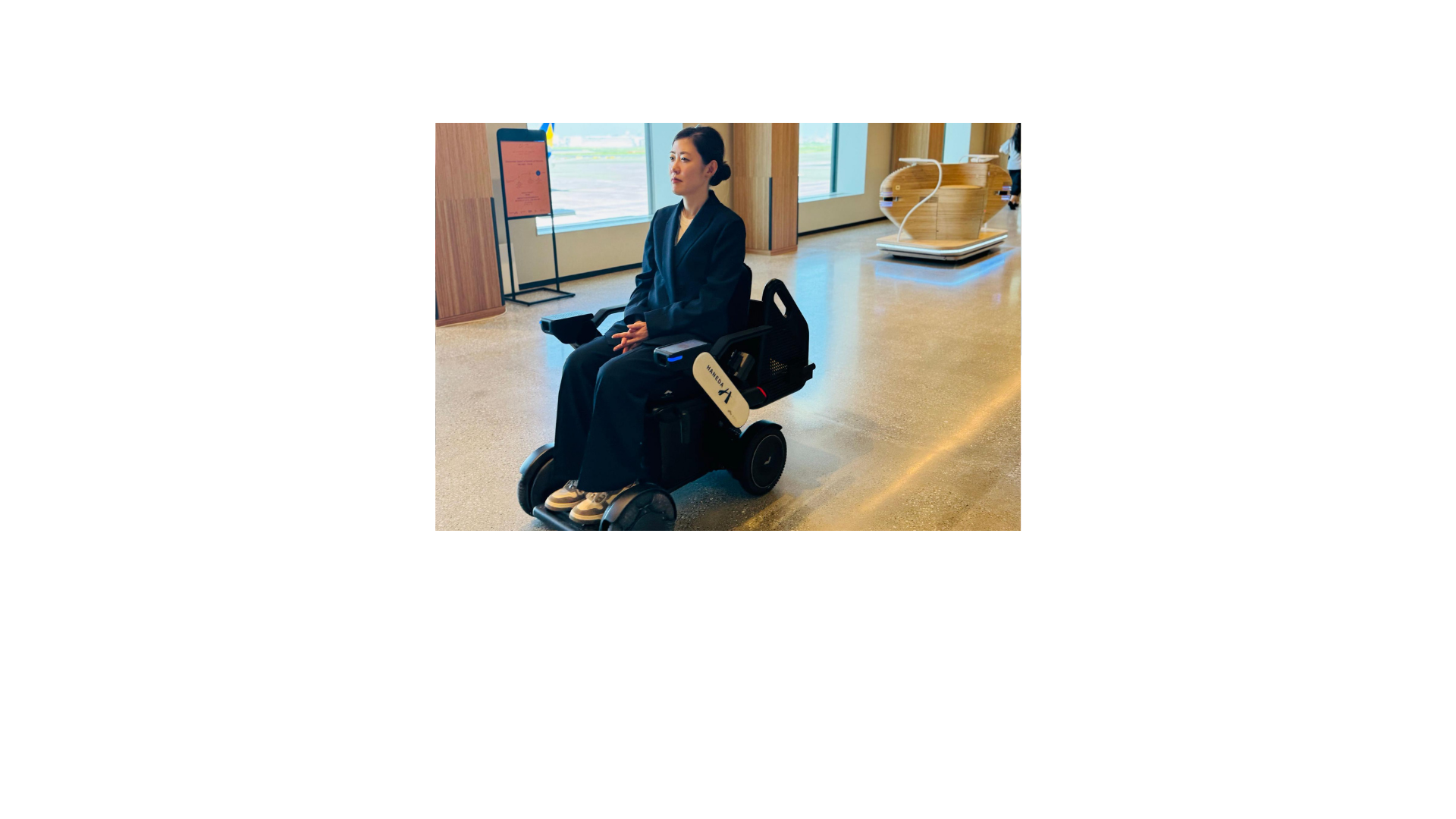
Up to 18 autonomous wheelchairs will be progressively deployed across the transit areas of Terminals 2 and 3 in the first phase of full deployment, following a trial fleet of 10 units that operated from March 2025 through 2026. The rollout is part of a broader airport ground services model designed to integrate autonomous mobility into terminal operations.
How the Service Works
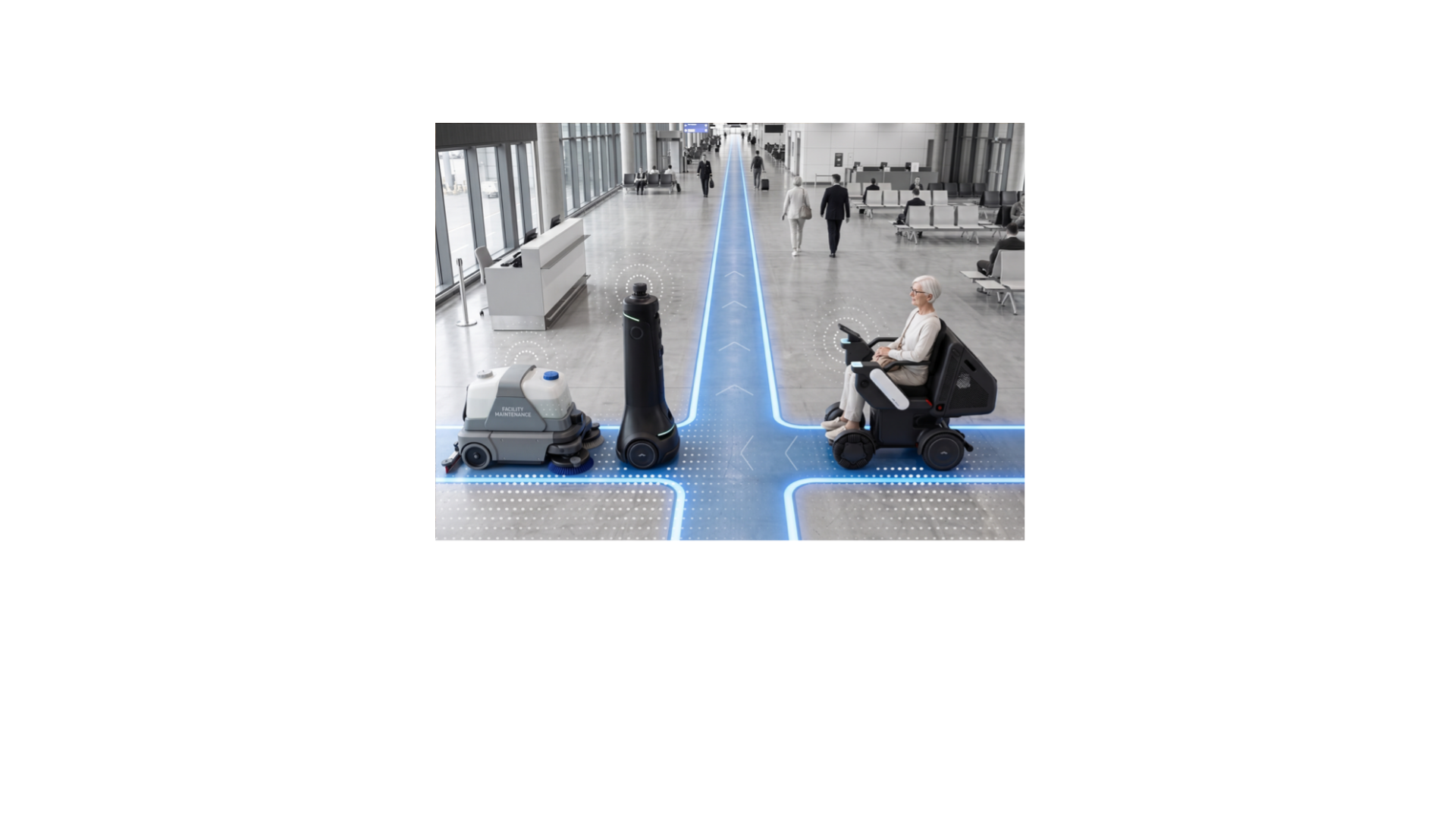
Under the new service, airport operations staff remotely dispatch WHILL units to specific arrival gates based on incoming flight schedules. Once dispatched, a WHILL unit greets passengers disembarking at the gate and autonomously transports them to the Special Service Lounge for passengers with reduced mobility (PRMs). For connecting passengers, the WHILL unit is redeployed to the lounge to carry them onward to their next boarding gate.
The Global Challenge
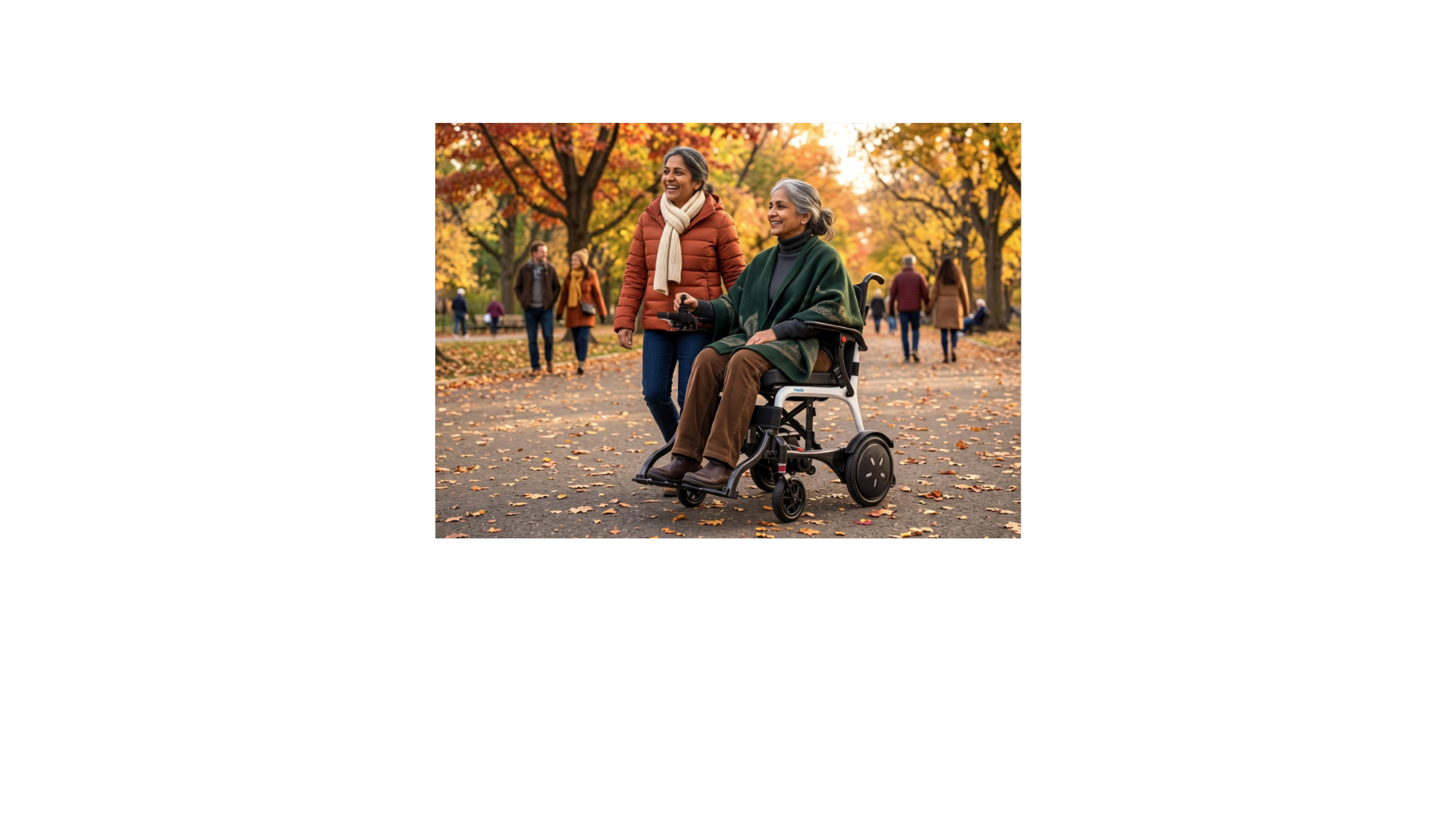
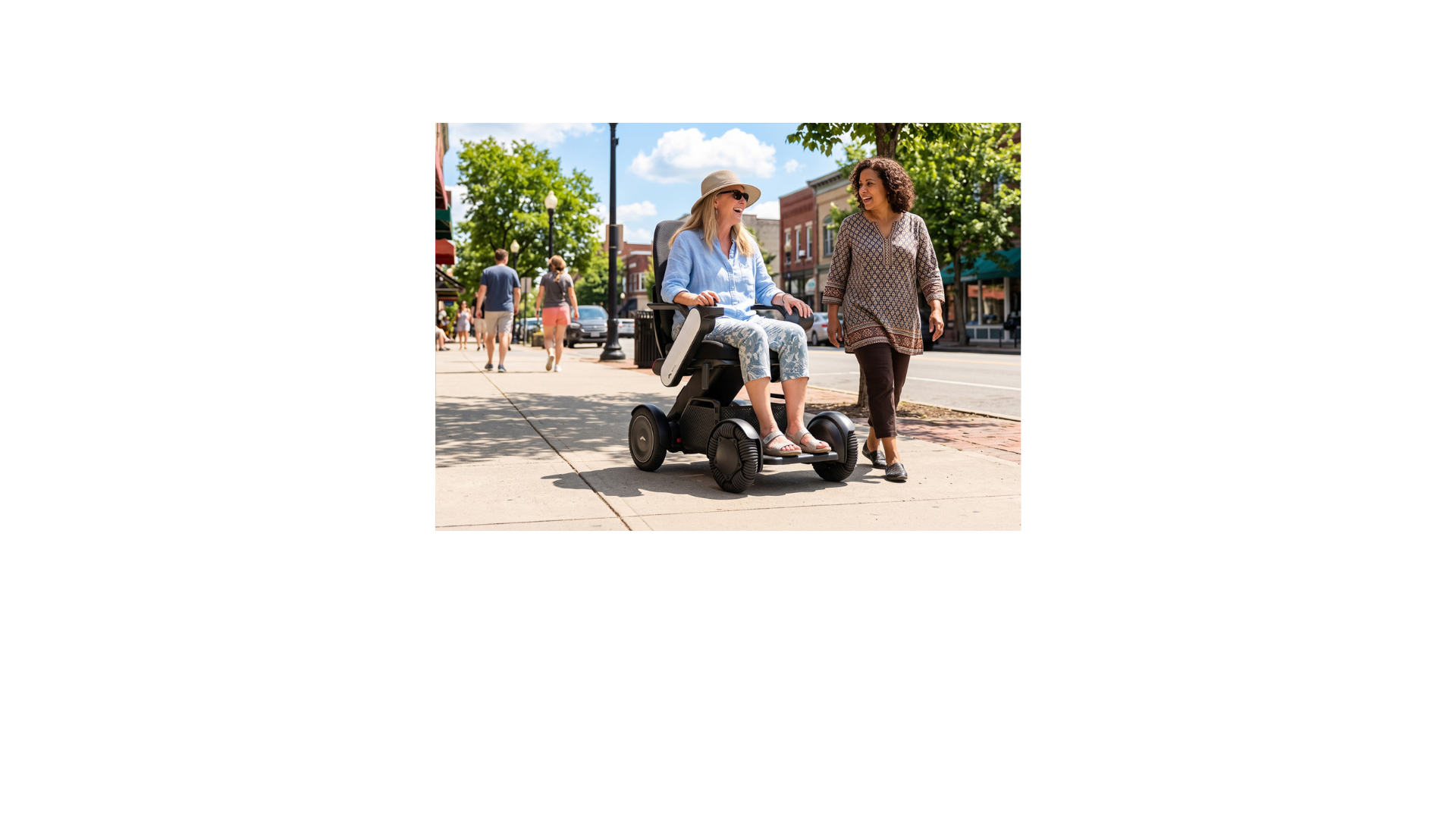
The deployment addresses a challenge facing airports worldwide: demand for PRM service is rising steadily as populations age and air travel grows. Demand is expected to keep climbing as passenger volumes grow and the traveling population ages — a trend mirrored at major airports around the world.
Staffing & Operations Model
WHILL Autonomous Service is designed to extend, not replace, frontline staff. No continuous one-on-one escort is required; passengers can request staff support on demand, freeing ground staff to focus on travelers who need more hands-on care. A centralized operations model allows the airport’s ground operations team to manage demand, staff, and mobility assets — including autonomous wheelchairs, e-Caddies, and standard wheelchairs — across terminals in real time for optimal utilization.
Safety Validation
Prior to the current deployment, rigorous initial safety testing was conducted, including assessment of speed controls, obstacle detection, and navigation performance, before the fleet was expanded for broader operational use.