
A lightweight electric wheelchair is a compact power chair that folds or disassembles and can be loaded into a standard car trunk without a van or ramp. These chairs typically weigh under 50 pounds and can help you stay in charge of your schedule, outings, and daily life.
You may already know the brands, reviews, and questions you need to research before purchasing, including real-world range, trunk fit, tight-turning performance, and all-day comfort. These concerns deserve practical answers before you narrow down your shortlist.
This guide walks through the decision path: clarifying your needs, matching features to real-life use, testing before you buy, and understanding ownership. By the end, you’ll have a clear framework for what you require – not more confusion.

What should you decide first before shopping for an ultra-lightweight electric wheelchair?
Travel electric wheelchairs are compact, foldable power chairs designed to fit in a car trunk and be managed by one person or a caregiver. So, ensure that whatever device you are considering purchasing meets those basic criteria before looking at any other specifications.
Start with your primary use case, because it shapes every other decision:
- Home and errands: You need a tight turning radius and comfortable seating for longer sit times. Outdoor range matters less than indoor maneuverability.
- Travel days: Airline travel rules and whether the power chair can fit in your vehicle trunk should be your top criteria. Weight is everything.
- Mixed use: You need a chair that handles both – and that means prioritizing versatility over specialization.
Identify your non-negotiables before comparing features. Can you lift the chair solo? Does it fit your car or van trunk? Does it turn tightly enough for your grocery aisle, hallway, elevator, restaurant table, or bathroom doorway?
Run through this checklist before you start comparing models:
- How far do you typically travel in a single outing?
- Who loads the chair — you, a caregiver, or both depending on the day?
- Do you need it to fit in a specific vehicle?
- Are there tight indoor spaces you navigate regularly (narrow hallways, small elevators)?
- Do you plan to fly with it?
Which foldable electric wheelchair features matter most in the real world?
The features that matter most are the ones that hold up in your daily routine – not just in a showroom. Focus on portability, battery confidence, comfort over time, maneuverability in tight spaces, and stability.
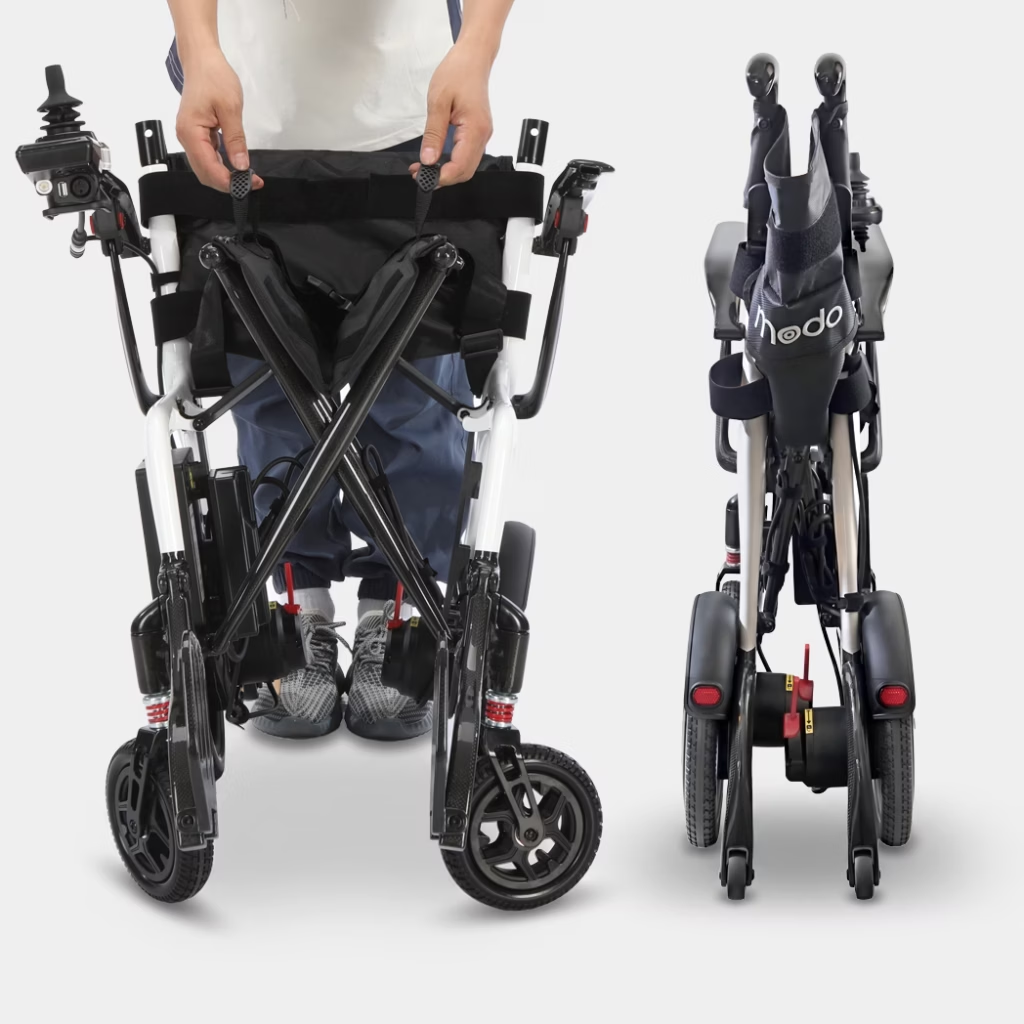
- Portability starts with total weight, but it also depends on handles, balance, and folded size. A 40-pound chair with a centered carry handle may be easier to manage than a lighter model with awkward lift points. Look for a folded footprint that matches your trunk opening. The Modo Breeze, for example, is designed specifically around this balance – at 28.6 pounds with the battery and cushion removed, it’s lightweight enough for one-person loading, with a folding design that fits a standard car trunk.
Speaking of foldability, there are a few things that can catch buyers by surprise. One-piece folding designs are faster and easier to use than models that disassemble, especially in bad weather. Test the latch, check for pinch points, and make sure the motion feels repeatable for you. - Battery confidence matters because claimed range is usually measured under ideal conditions. Real-world range on varied terrain, heavier loads, cold weather, or stop-and-go use can run 20% to 30% shorter. Confirm spare battery options, user-swappable batteries, and replacement cost.
- Comfort is also easy to overlook. Seat width, cushion density, and armrest adjustability determine whether the chair will work for a day out shopping or at a family gathering – not just a short showroom test.
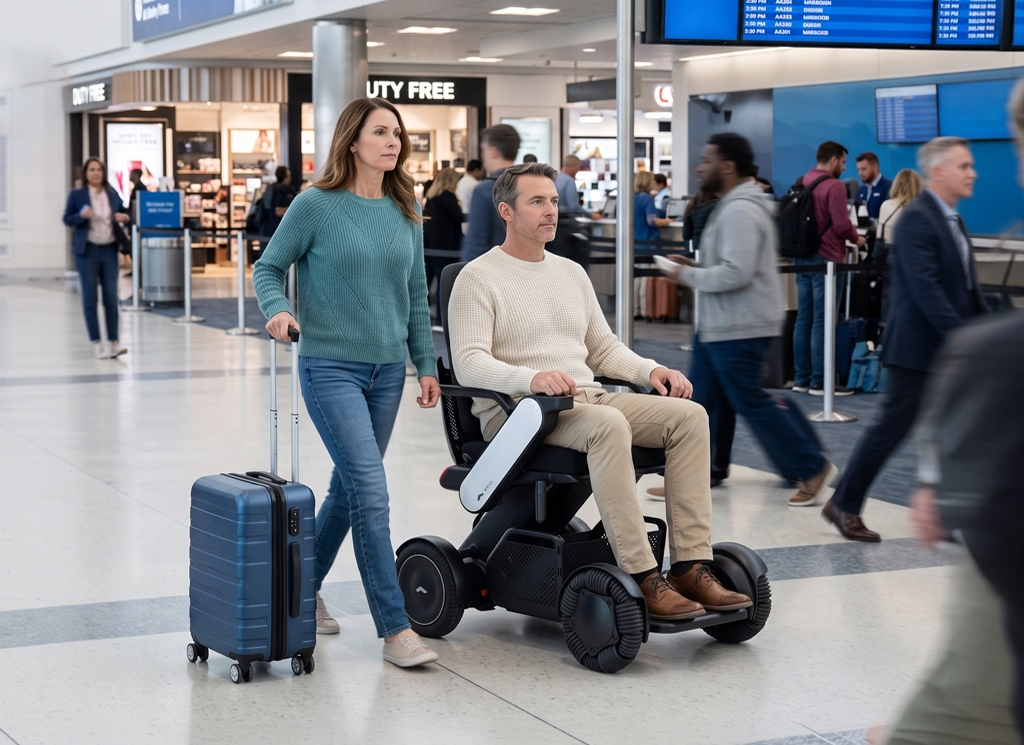
- Maneuverability separates indoor-capable chairs from outdoor-capable ones. Test whether the chair can handle restaurants, checkout lanes, elevators, and the spaces you use most. Chairs like the WHILL Model C2 are built with omni-wheels and a small turning radius, which makes a real difference in everyday indoor navigation.
- Stability covers anti-tip design, incline handling, and threshold crossing. Most quality ultra-lightweight chairs handle standard thresholds and gentle ramps, but steeper inclines require checking the rated incline capacity.
How do you compare electric wheelchairs without getting lost in specs?
The best way to compare electric wheelchairs is to translate every spec into a real scenario. A 9-mile range only matters if it covers your full airport travel day or your longest outing for errands.
Use a simple five-category scorecard for each chair you’re considering:
- Portability — Can you (or your caregiver) load it solo? Does it fit your trunk?
- Comfort — Will it work for your longest typical outing, not just a quick errand?
- Range — Does the real-world range cover your biggest travel day with buffer?
- Controls — Is the joystick or control panel intuitive for your hand strength and dexterity?
- Support — Can you reach a human by phone? Is there a clear warranty and service process?
Watch for these red flags in reviews and product videos:
- No mention of spare battery availability or replacement cost
- Customer service reviews that mention long hold times or unanswered emails — support quality is a product feature
How do you test-drive a lightweight electric wheelchair so you trust it?
A showroom test-drive is often recommended, as specs can’t tell you how the chair feels. Use that time to test folding, turning, comfort, controls, braking, and service questions before you commit.
Test the fold first. Do it yourself, at your own pace. The latch should engage cleanly and the motion should feel repeatable. If it takes multiple tries in a showroom, it will be harder in daily life.
Drive in real spaces. Ask the dealer to let you navigate a doorway, make a kitchen-width turn, and approach a simulated elevator entry. Specs are useful, but this is something you need to feel.
Sit for at least 10 minutes. Pressure points show up with time. Check posture, armrest height, and seat width before deciding whether the chair will work for longer outings.
Ask the dealer these questions before you leave:
- Battery replacement: How much does a new battery cost, and can I swap it myself?
- Service turnaround: If something needs repair, what’s the typical timeline?
- Parts availability: Are common parts stocked locally or shipped from overseas?
- Software updates: If the chair has app connectivity, how are updates handled?
What should you know about ownership, battery care, and travel?
Lithium batteries in high-quality lightweight chairs perform best when charged regularly instead of being run to zero. A partial charge after each outing helps extend battery life and keeps the chair ready for unexpected plans. If the chair will sit unused for more than a week, ensure the battery is fully charged before storing and then charge it at least once a month.
For air travel, most major airlines require lithium batteries to be under 300Wh for carry-on or gate-check. Thankfully, all WHILL devices meet these requirements, including the Modo Breeze and Model F folding travel power chairs. Confirm with your airline before booking, carry your battery documentation, and request a gate-check tag at the counter.
Making your final choice and getting back to your normal, faster
The right lightweight or ultra-lightweight electric wheelchair fits your life so well that you stop thinking about the chair and start thinking about where you’re going next. The goal isn’t a perfect product – it’s the chair that disappears into your routine.
Close your decision with three steps:
- Score your top two or three chairs on the five-category scorecard: portability, comfort, range, controls, and support.
- Test-drive your top pick in as close to a real environment as possible, not just a showroom loop.
- Confirm purchase protection: warranty terms, return window, and what happens if something needs service in the first 90 days.
WHILL builds chairs for people who want modern design, genuine portability, and responsive support. A model like the new Modo Breeze Foldable Electric Wheelchair is affordable, fits standard car trunks, and supports everyday life – from grocery runs to travel days. It also looks less clinical than traditional mobility equipment.
Frequently Asked Questions
How much should a quality lightweight electric wheelchair weigh? A genuinely portable chair typically weighs 35 to 55 pounds with the battery included. Anything less than this is a bonus! Always confirm all-in weight, not frame weight, and test the lift yourself if you plan to load it solo.
Can I take an ultra-lightweight electric wheelchair on an airplane? Yes, with preparation. Most lightweight chairs qualify for gate check if the battery is under 300Wh. Carry your battery documentation, request a gate-check tag, and confirm the airline’s policy when you book.
How do I know if the range is enough for my needs? Reduce the manufacturer’s claimed range by 20% to 30% for real-world conditions, then check whether that number covers your longest typical outing with buffer to spare. If it’s close, look for a spare battery option.
Is comfort really that different between models? Yes. Seat width, cushion density, and armrest adjustability affect whether you stay comfortable for two hours or start shifting after 20 minutes. Sit in the chair for at least 10 minutes during any test-drive.
What makes WHILL different from other lightweight electric wheelchair brands? WHILL designs its chairs around the full ownership experience, not just the product spec. The design is modern and the fold mechanism for power wheelchairs like the Model F and Modo Breeze support a one-person operation.
Ready to Connect? Talk with a WHILL representative to explore the right wheelchair for your needs, schedule a test drive, and discover how WHILL’s innovative lineup can support your independence at home, on the go, or wherever life takes you.