Cooperative fleet-management system, previously used only among WHILL’s own units, is now extended to autonomous robots from other manufacturers — supporting a more comfortable and accessible travel experience for all airport passengers
Tokyo, Japan, August 25, 2026 — WHILL, Inc., a global leader in personal mobility solutions, today announced that it will expand the operating area of its WHILL Autonomous Service to the new North Satellite facility at Haneda Airport Terminal 1, which begins operation on September 1, 2026.
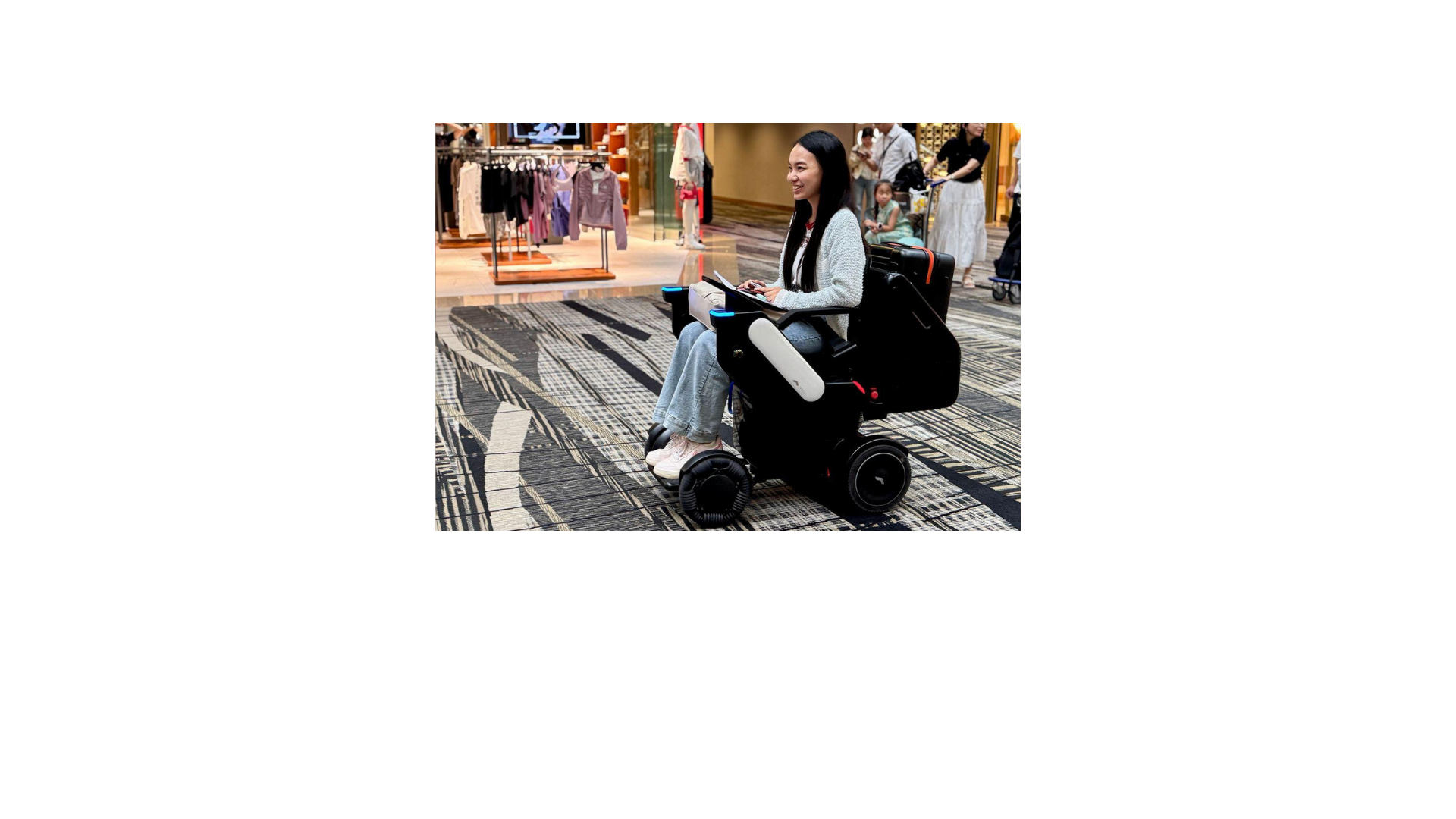
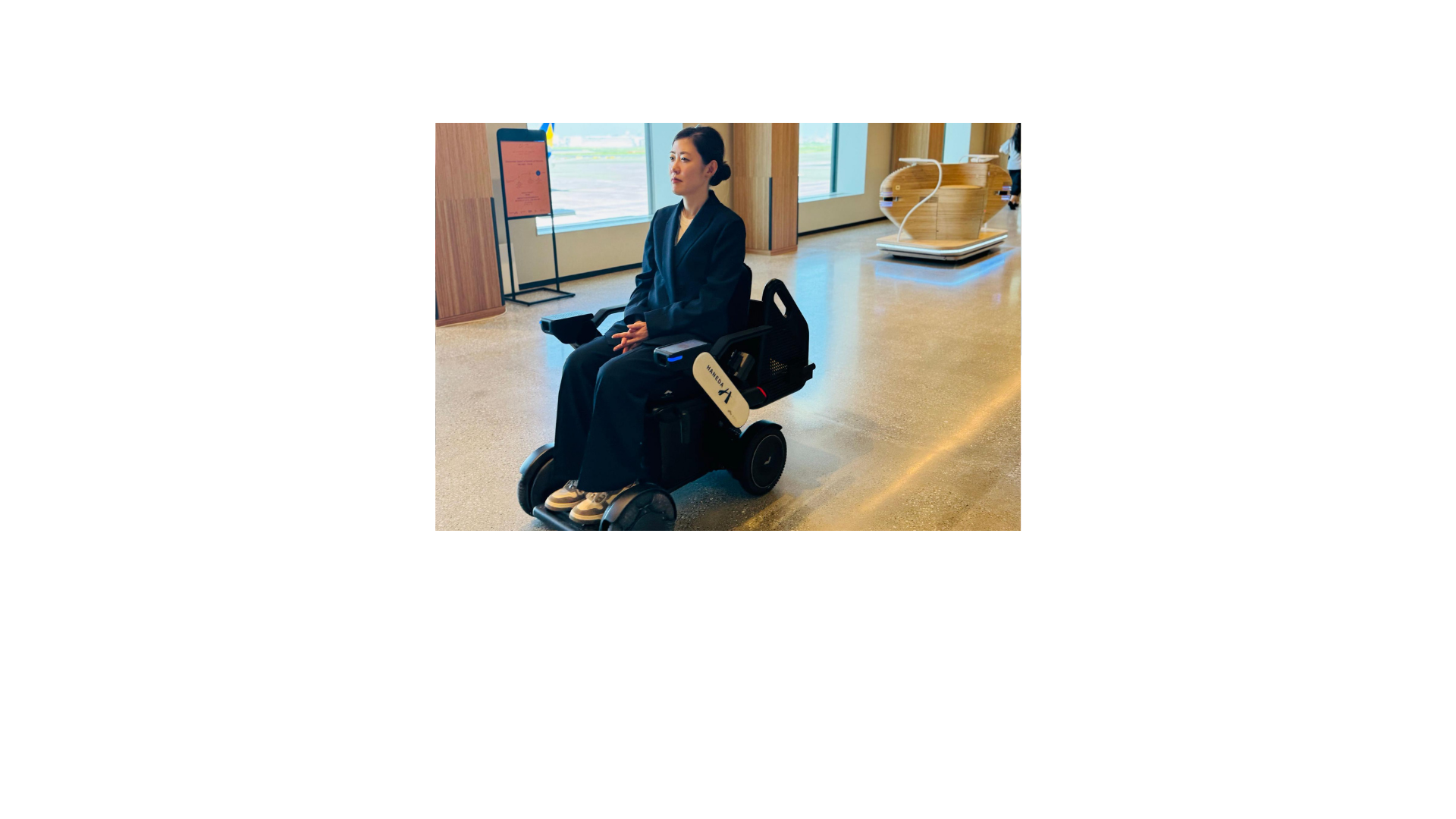
WHILL Autonomous Service was the world’s first autonomous personal mobility service deployed at an airport, launching at Haneda Airport in 2020. Built on a strong track record of stable operation and passenger satisfaction, the service will operate 37 units across the entire domestic terminal areas of Haneda’s Terminal 1 and Terminal 2, as well as Terminal 3, handling an average of roughly 10,000 rides per month.
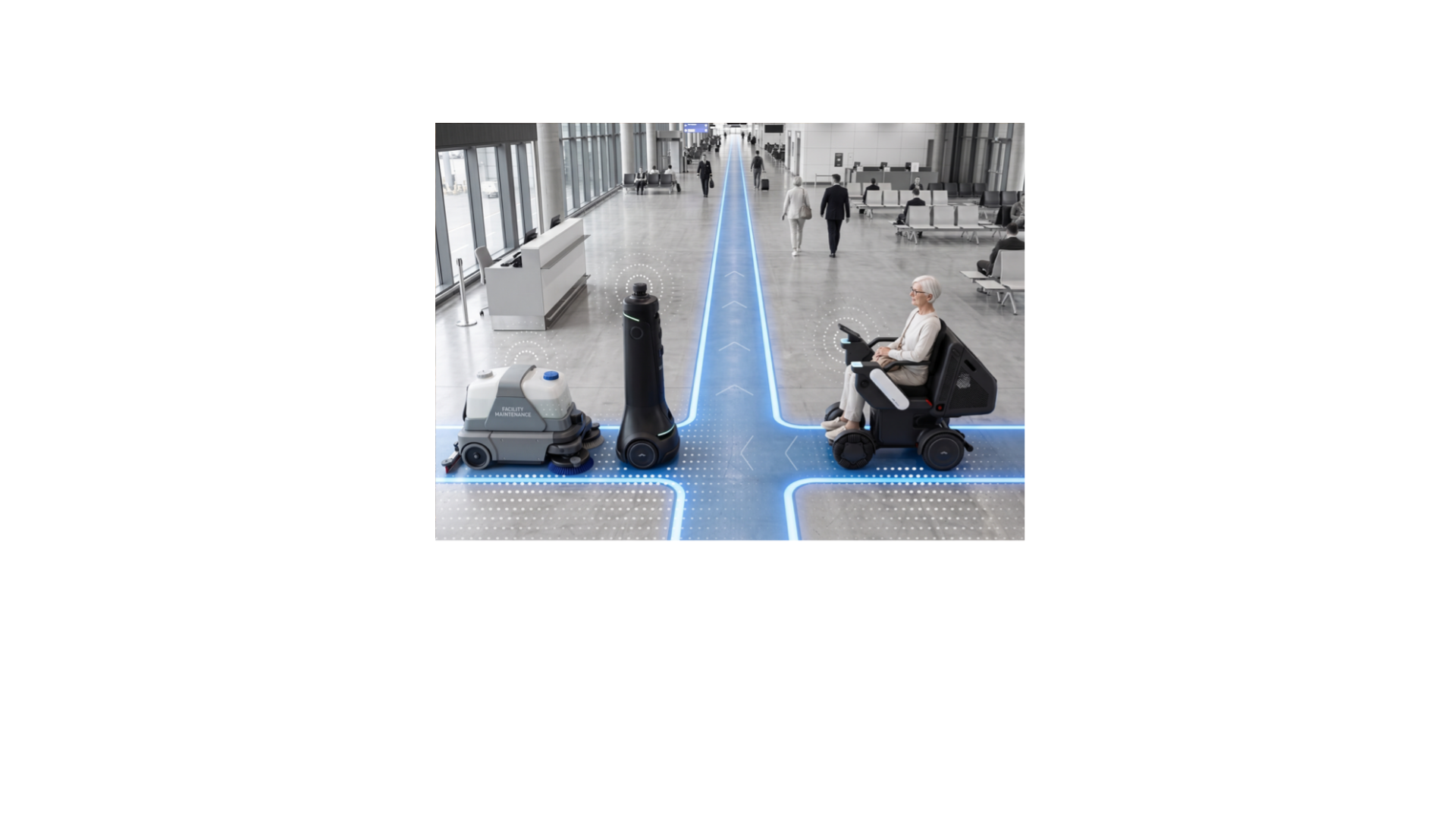
To support the expansion, WHILL has extended its cooperative fleet management system — previously used to enable WHILL’s own units to safely navigate around one another — to also work with autonomous mobility robots made by other companies. By building a system that allows multiple robots, including third-party models, to operate stably while sharing the same space, WHILL aims to create a safer and more accessible environment for the wide range of passengers who rely on the airport, including those who have difficulty walking long distances, those with limited stamina, and elderly travelers.
The service has also been internationally recognized (*1) for its contribution to Persons with Reduced Mobility (PRM) support services, and is now in use at approximately 30 hub airports in Japan and overseas.
With WHILL Autonomous Service, single-passenger WHILL personal mobility devices autonomously travel to a specific destination within a large facility and, after the passenger disembarks, return unmanned to their original position. At Haneda, WHILL units are already in operation, navigating intersections, obstacles, deceleration zones, and, when necessary, temporary stops — safely delivering passengers to their destination even amid heavy pedestrian traffic. By extending a portion of this management system to autonomous robots made by other companies, WHILL has now made it possible for different types of robots to smoothly yield to and pass one another, enabling flexible coexistence between machines.
Through this expansion of its operating area and its new capability to coordinate with other autonomous robots, WHILL aims to reduce the physical burden of moving through the airport for all types of passengers and to improve the overall travel experience. WHILL will continue to work closely with stakeholders across the aviation industry to build and implement innovative mobility infrastructure around the world.