You’ve done the research. You know the options. You’ve watched the YouTube videos, read the reviews, maybe even added something to your cart and then closed the tab. And yet you’re still waiting.
Waiting for things to get worse. Waiting until you “really” need it. Waiting until a trip gets canceled, a family event feels too exhausting, or daily errands become too demanding.
A mobility device isn’t a milestone marking what you can no longer do. It’s a tool that expands where you go, how long you can stay, and who you get to be while you’re there. This is a distinction that many people don’t make until they’ve already spent months or years sitting out moments they didn’t have to miss.
This post covers the real reasons people delay getting a mobility scooter or power wheelchair – not the medical ones, but the emotional and psychological ones. It looks at how modern design is actively dismantling those barriers, and it gives you a clear, honest framework for deciding when and how to move forward. No pressure. No pity. Just the information you’ve already been looking for.
Why do people avoid wheelchairs and mobility devices even when they’d help?
People avoid mobility devices even when those devices would improve their daily lives because the emotional barriers are often stronger than the physical need. Stigma, identity fears, and practical anxieties create a wall that no amount of physical discomfort automatically breaks through.
Emotional barriers to wheelchair use are the internalized beliefs and social fears that prevent a person from adopting a mobility aid even when the functional benefits are clear.
The identity shift feels permanent. Choosing a wheelchair can feel like closing a door – as if accepting a device means accepting a new, diminished version of yourself. Research consistently shows that fear of permanence and long-term dependence ranks among the top psychological barriers to adoption. The device becomes a symbol, and the symbol feels heavier than the chair itself.
The “clinical look” keeps people away. Traditional wheelchairs often have gray frames and institutional aesthetics that have no connection to who you are as a person. Studies show that fashionable, visually appealing devices are viewed far more favorably, while devices associated with severe disability face significant stigma. Power wheelchairs and scooters, by contrast, are often perceived as more empowering and even youthful because their design signals movement and agency rather than dependence.
The independence paradox is real. Many people believe that using a mobility device means giving up independence, when the opposite is closer to the truth. This belief often results in people walking shorter distances, skipping outings, and quietly shrinking their world rather than reaching for a tool that would expand it.
Safety doubts add to the hesitation. Concerns about tipping, braking in crowds, stability on uneven surfaces, and navigating tight spaces are legitimate and they’re often rooted in experiences with older, poorly designed equipment. These aren’t irrational fears. They’re responses to real design failures that modern devices have largely solved.
Battery range is a genuine anxiety. Getting stranded mid-errand, mid-travel day, or mid-event is a specific fear that keeps people from committing to a powered device. The worry isn’t abstract, as the image of being stuck somewhere and having to ask for help is a powerful one. That fear of becoming a burden is, for many people, more motivating than any physical discomfort.
Transport and assembly concerns stop people before they start. If a device requires a caregiver to lift it, disassemble it, or load it into a car, it immediately creates dependence on another person’s schedule and strength. For someone whose primary goal is to stay independent and keep up without burdening anyone, that’s a dealbreaker even if the device would otherwise be perfect.
What emotional barriers to wheelchair adoption show up in real life?
Emotional barriers to wheelchair adoption show up as avoidance – fewer outings, shorter days, and a growing list of places and events that quietly get crossed off. They rarely announce themselves as fear; they disguise themselves as practicality.
Consider someone recovering from knee surgery who can walk short distances but hits a wall after a few hundred feet. A cane feels acceptable, as it signals that “I’m healing.” A wheelchair feels like a different statement entirely, one they’re not ready to make. So they skip the farmer’s market or museum trip and tell themselves they’ll go out when they’re feeling better, which is a moving target.
Another example would be a person managing COPD who gets winded crossing a large parking lot. Walking from the car to the restaurant is already a challenge and by the time they sit down, they’re not fully present. They’ve spent the energy they needed for the conversation, the meal, and the enjoyment. A mobility device would have preserved that energy, but the idea of showing up in one feels like an announcement they don’t want to make.
Finally, consider days when an individual’s arthritis starts to flare up. On good days, a person might manage fine. On bad days, they push through because using a device “for one day” feels like crossing a threshold. The hierarchy of mobility aids is real: a cane is a tool, a walker signals more reliance, and a wheelchair (in the minds of many) signals something closer to defeat.
The quiet math of all this avoidance adds up fast. Fewer outings means less social connection. Shorter days mean less of everything – less time with grandkids, fewer errands completed independently, and more reliance on others for things you’d rather handle yourself. The mobility scooter or electric wheelchair gets framed as the loss, when the avoidance itself is what’s actually costing you.
Does using a wheelchair improve independence or take it away?
Using a wheelchair – particularly a modern power wheelchair – expands independence rather than reducing it. Independence isn’t measured by whether you’re walking; it’s measured by where you go, how long you stay, and whether you’re making those choices yourself.
Think of independence as a set of decisions: the restaurant you pick, the time you leave, the errands you run without coordinating around someone else’s availability. A mobility device doesn’t remove those decisions; it protects your capacity to make them.
The gains are concrete:
- Energy conservation: Powered mobility preserves the energy you would have spent walking for the things you actually came to do: the conversation, the shopping, the experience.
- Reduced fall risk: Research confirms that mobility aids reduce fall risk and increase confidence, which means fewer interruptions to your routine from preventable injuries.
- Bigger travel radius: The distance you can comfortably cover in a day expands significantly, opening up airports, large venues, parks, and events that would otherwise require too much stamina.
- Fewer cancellations: When you know you can handle the distance, you stop pre-canceling plans based on how you might feel that day.
- Maintained social pace: You keep up with family, friends, and travel companions instead of being the reason the group slows down or splits up.
The difference between “walking distance” and “living distance” is worth naming directly. Walking distance is how far your legs can carry you before fatigue or pain sets in. Living distance is how far you want your life to reach – the rock concert, the grandkid’s school play, the weekend trip, or the Saturday morning market. For many people, those two numbers have quietly diverged, and no amount of pushing through is going to close the gap.
Accepting a tool doesn’t mean accepting limits. Carpenters use nail guns. Photographers use tripods. You use what gives you the best result. Pride in your independence is completely compatible with using the mobility equipment that protects it.

How does design change wheelchair adoption (and confidence) for independent seniors?
The gap between “I would never use one of those” and “I actually love this thing” is almost always a design gap.
Traditional mobility devices were built around clinical certifications and functions. They met a medical standard and stopped there. Modern mobility products, led by companies like WHILL, start from a different question: what does a person need to feel confident, capable, and like themselves while using this device? That shift in starting point produces entirely different outcomes.
WHILL’s research detailed in their “Designing for Dignity” white paper found that 96% of users feel safer, more confident, or more independent after switching to a design-forward mobility device. That’s not a marginal improvement. That’s a near-universal experience of something changing for the better.
Confidence comes from how a device handles, not just how it looks. A stable stance, intuitive joystick controls, and predictable braking tell your body that you’re in charge. When a device responds the way you expect it to, you stop managing it and start mastering it, which is the difference between a tool that feels like a burden and one that feels like an extension of your body.
Comfort determines whether you actually use it for the long haul. Seating support, ride smoothness, and ergonomics aren’t luxury features. They’re the difference between a device that stays in the garage and one that goes everywhere you do. A device that causes discomfort after 45 minutes doesn’t solve your problems; it creates a new one.
Portability is what makes independence achievable. The Modo Breeze, for example, weighs only 28.6 pounds and is designed to fold and fit in a car trunk. This lightweight design allows many users to load the device into a vehicle themselves, meaning you’re not coordinating your schedule around someone else’s availability.
Battery range is about real-world confidence, not spec sheets. The question isn’t how many miles a device can theoretically cover, it’s whether you can get through a full day of errands and still have charge left over. A device that runs out before you do is a device you’ll stop trusting. Range needs to match your actual day, not a controlled test environment.
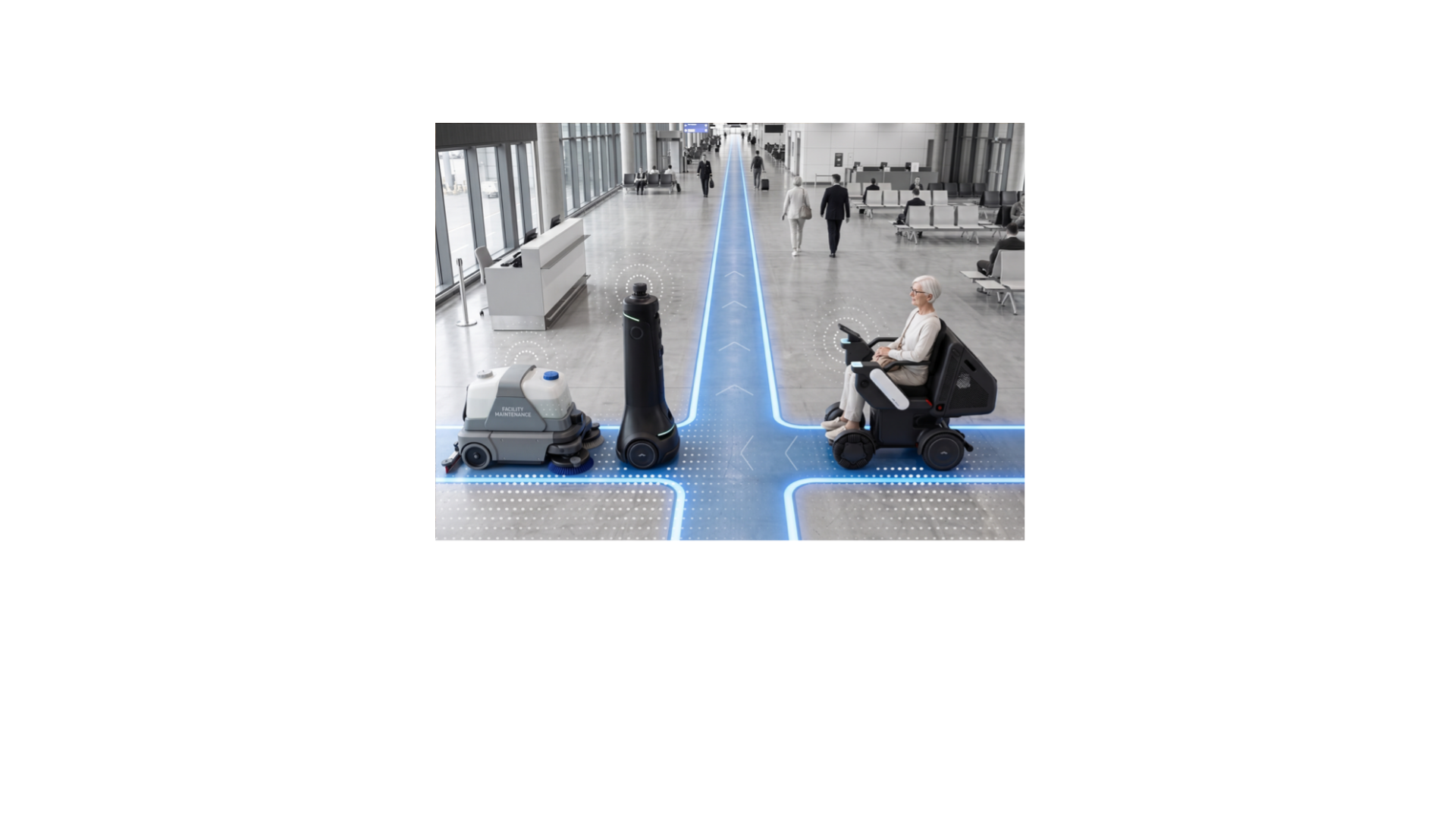
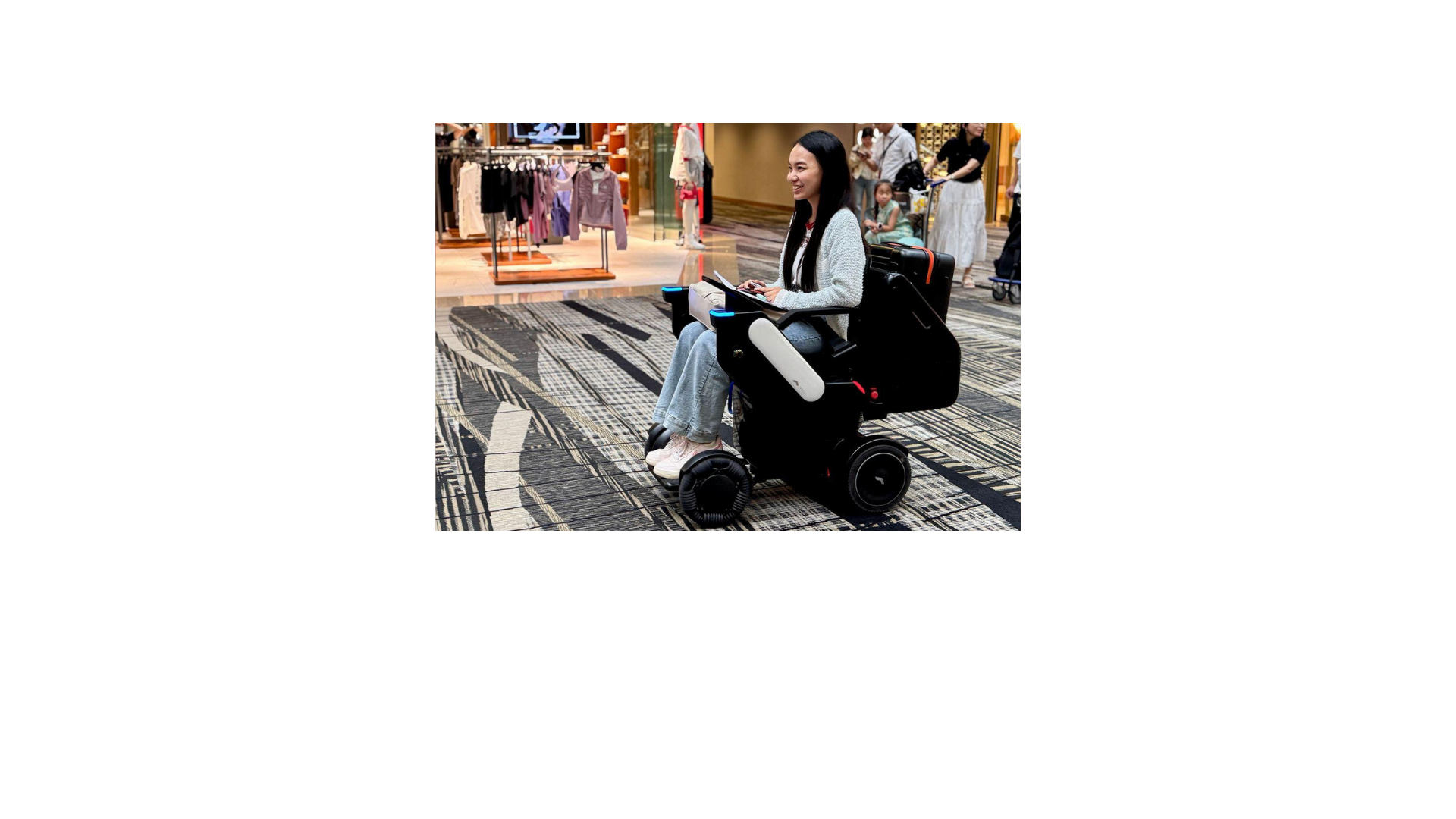
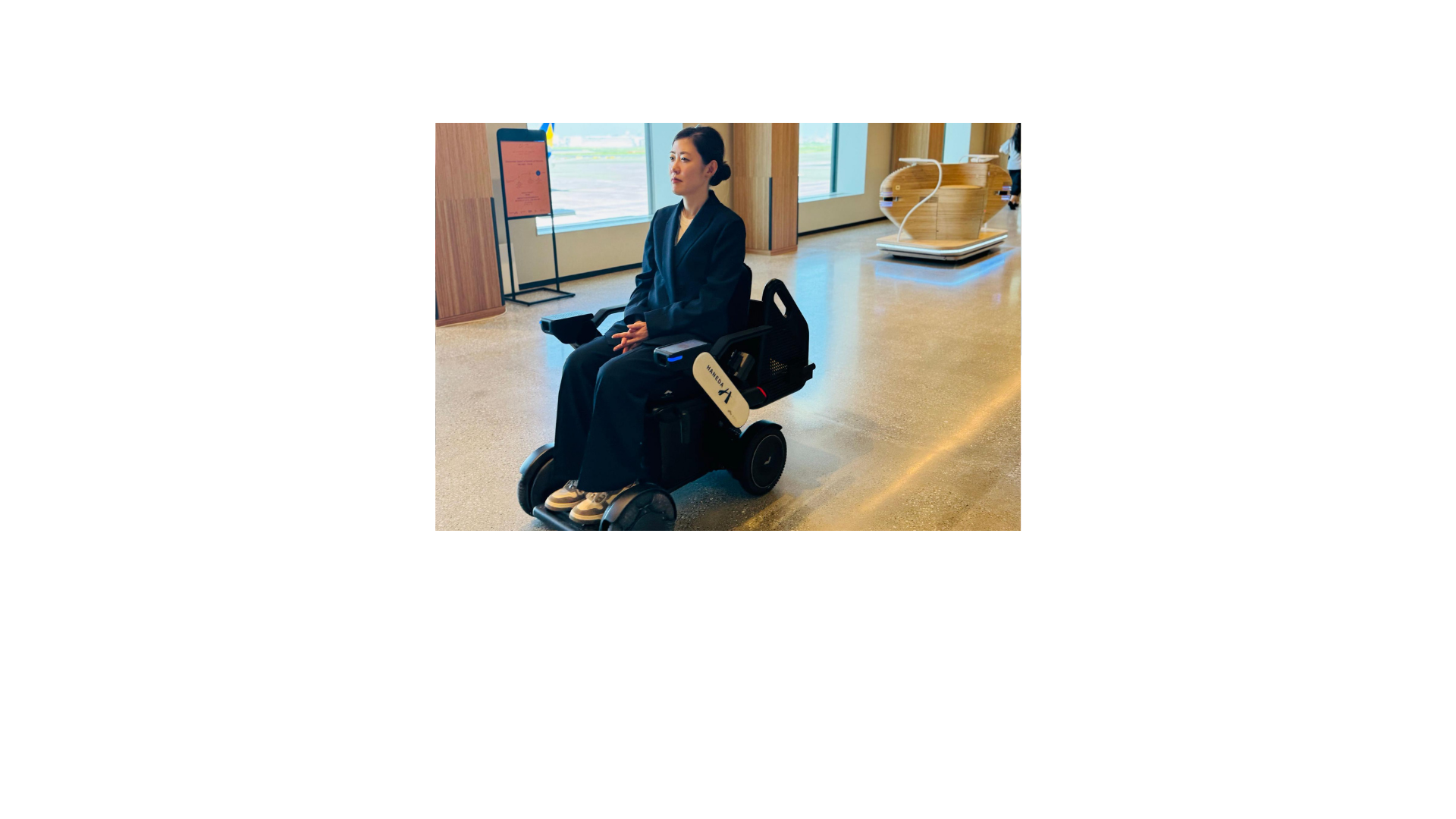
Tight-turn maneuverability opens up the places that matter most. The WHILL Model C2 and Model C2 High Back are built around a front omni-wheel design that can handle tight restaurant aisles, crowded shop floors, and narrow hallways (i.e., the exact spaces where traditional power chairs struggle). Getting around in those spaces without asking people to move or rearranging your route is a quiet but significant form of independence.
App connectivity adds usefulness without adding complexity. WHILL’s optional companion app lets users track battery level, adjust speed settings, lock the device, and (for certain products) control the mobility device remotely.
What practical steps help you move past fear of using a wheelchair?
Start with an honest self-check. Here are five questions that can help put potential mobility limitations into perspective:
- Where have you stopped going in the past six months because of distance, fatigue, or pain?
- What have you canceled or shortened that you would have attended if mobility weren’t a factor?
- How much energy do you spend managing your walking versus enjoying the reason you went somewhere?
- How often do you ask others to slow down, wait, or adjust plans around your pace?
- What would you do more of if distance and fatigue weren’t part of the equation?
If your answers reveal a pattern of avoidance and accommodation, that’s your real data and will be more useful than any symptom checklist.
Approach the selection process the way you’d buy a car. You wouldn’t purchase a vehicle without a test drive, and you shouldn’t commit to a mobility device without experiencing how it handles. Watch real user footage on YouTube – not polished brand videos but people using the device in real settings. Read reviews from buyers who share your priorities: portability, range, comfort over time, and customer support responsiveness.
Conversations with family or friends don’t have to be heavy. A simple frame works well: “I’ve been researching some options that would let me keep doing everything I want to do without running out of steam. I want to show you what I’m looking at.” That positions the device as a choice you’re making, not a problem you’re admitting to.
Your doctor can also be a useful voice here. Research shows physician recommendations are one of the strongest motivators for mobility aid adoption. Ask directly: “Would a power wheelchair or mobility scooter help me stay more active and independent?”
Making your decision: choosing a device that fits your life (not the stereotype)
The right device matches your routine, your car, your tech savviness, and your definition of a good day out.
Rank what matters most to you before you start comparing models:
- Stability: Does it handle the surfaces and spaces where you’ll be driving it?
- Portability: Can you load and unload it without help, or with minimal help?
- Comfort: Will it hold up over a full afternoon, not just a short trip?
- Range: Does the battery cover your real day, including a little buffer?
- Support access: Can you reach a real person when you have a question?
Budget is also a real consideration, and it’s worth framing honestly: a quality power wheelchair is an investment in more days lived fully and more time spent with the people you care about. The cost of avoidance is real too, even if it doesn’t show up on a receipt.
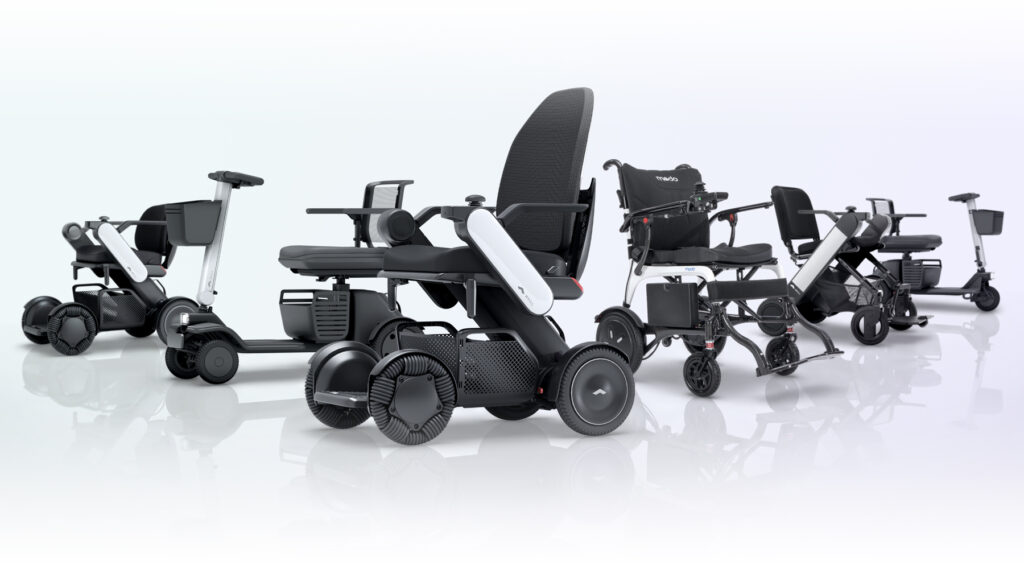
WHILL offers multiple models, including the foldable Model F and Modo Breeze, and the highly maneuverable Model C2. Each of these electric wheelchairs is designed for people who have specific priorities and aren’t willing to compromise on them. Book a demo or contact the WHILL team directly to get the kind of firsthand information that no amount of online research fully replaces.
You’ve already done the research. The next step is making it personal. Let us help you get started on your mobility journey today!
Frequently Asked Questions (FAQs)
Is it too early to start using a power wheelchair if I can still walk some distances? No – and waiting until you “really need it” is exactly what costs people months of outings and enjoyment they didn’t have to sacrifice. A power wheelchair or scooter isn’t a last resort; it’s a tool for extending what you can do. Using it on longer outings while walking shorter distances is a completely valid approach.
Will a power wheelchair fit in a standard car trunk? It depends on the model. The WHILL Model F, WHILL Model C2, and Modo Breeze are all specifically designed to either fold or disassemble into components to fit in most standard car trunks without requiring vehicle modification. If portability is a priority, it should be the first spec you verify.
How far can a WHILL device travel on a single charge? Battery range varies by model and terrain. WHILL designs its devices around real-world use, including shopping trips, airport navigation, and extended outings. In general, our chairs have per charge driving ranges of anywhere from 9.5 to 12.4 miles. Check the specific range specs for the model you’re considering and compare them against your actual longest day, with buffer room.
What if I only need it some days, not every day? That’s one of the most common use cases, and modern power wheelchairs are built for exactly that flexibility. Using a device on high-demand travel days or at large venues while managing shorter distances on foot is a practical, sensible approach that many WHILL users adopt from the start.
How do I know which WHILL model is right for me? The Model C2 prioritizes tight-space maneuverability and outdoor navigation. It is ideal for people who need complete, everyday mobility support. The Modo Breeze prioritizes portability and is built for people who need to transport the device independently. Booking a test drive at a local store lets you experience both firsthand, which is the fastest way to know which one fits your life best.
Linked Sources: