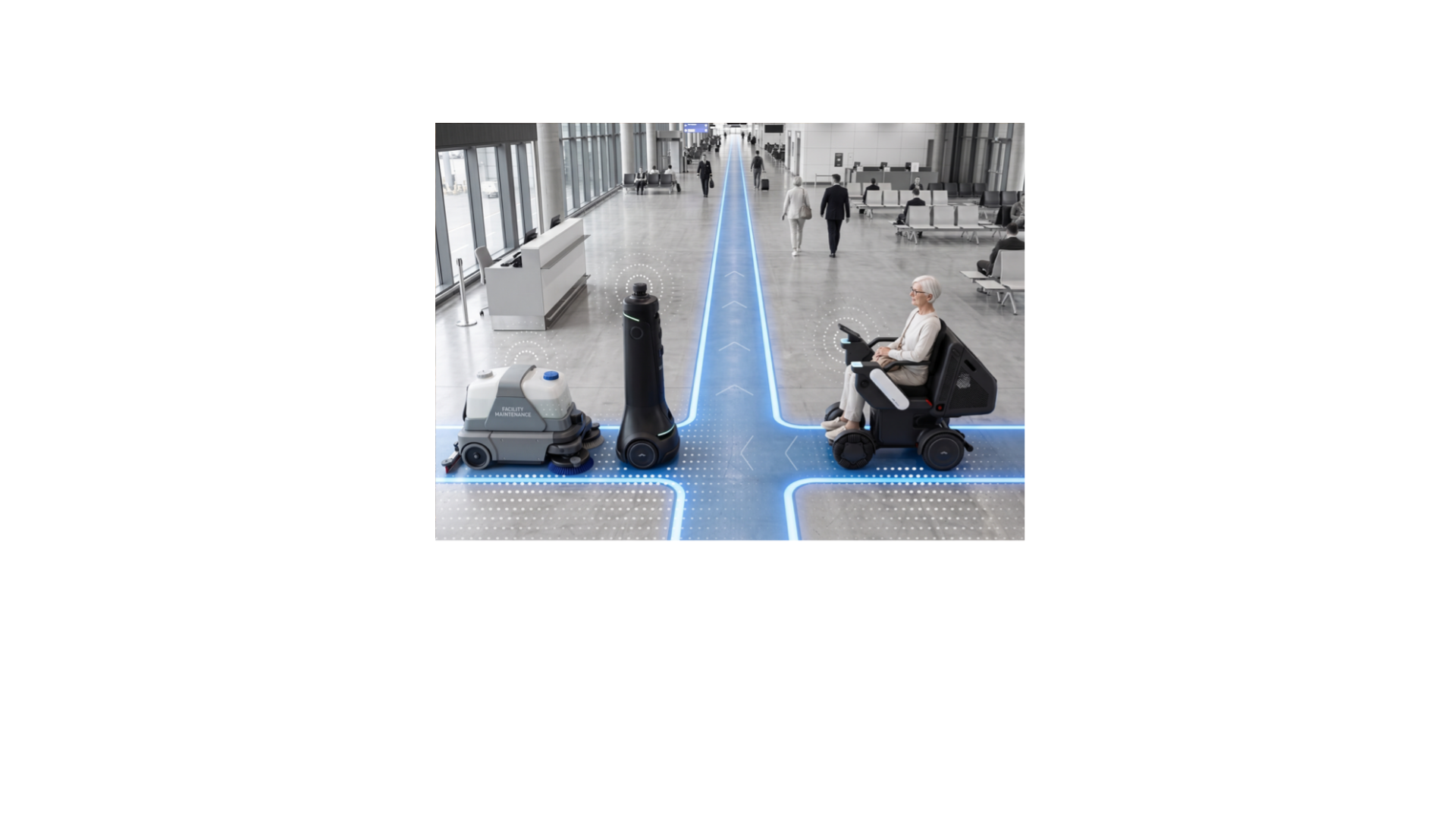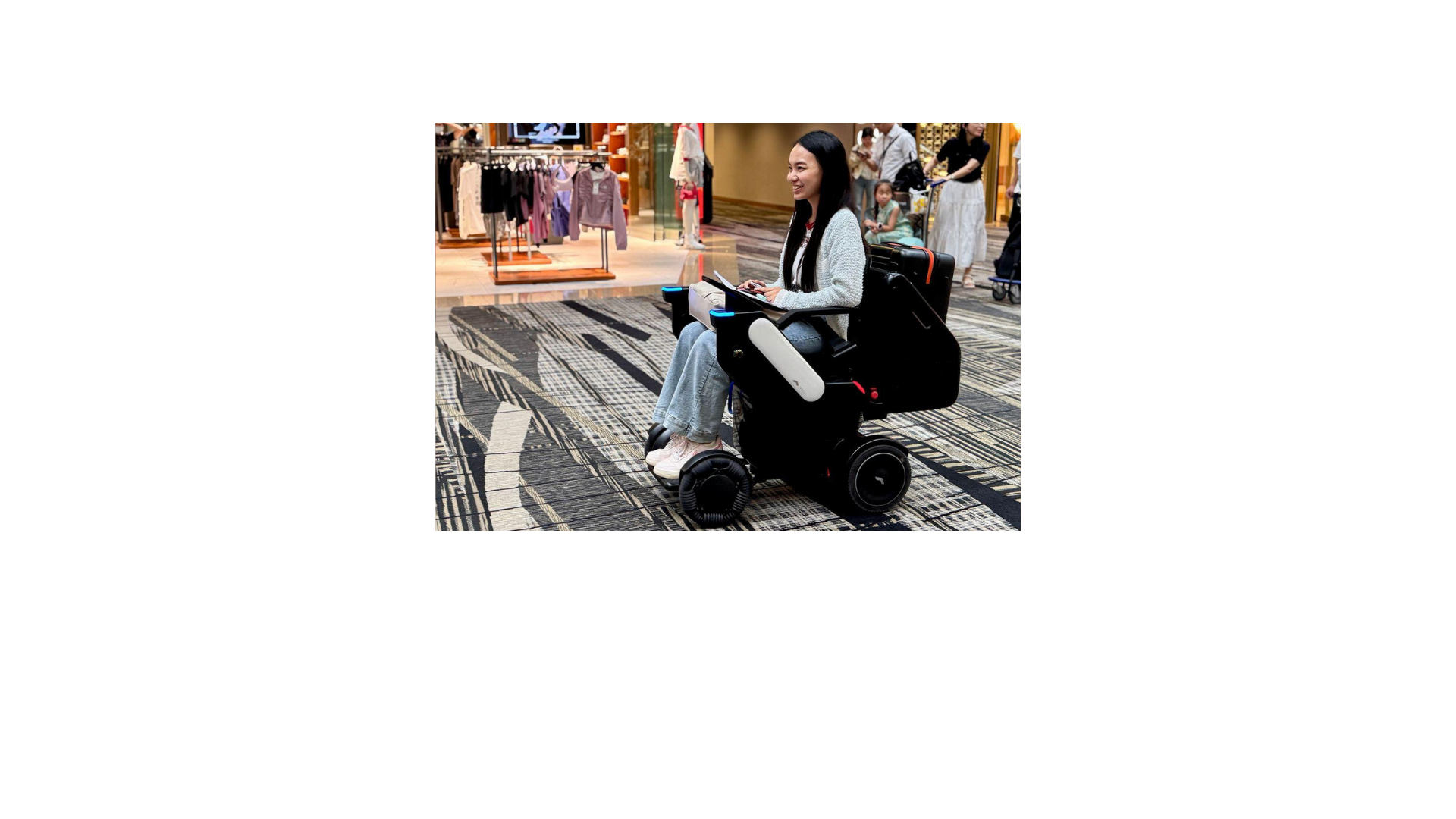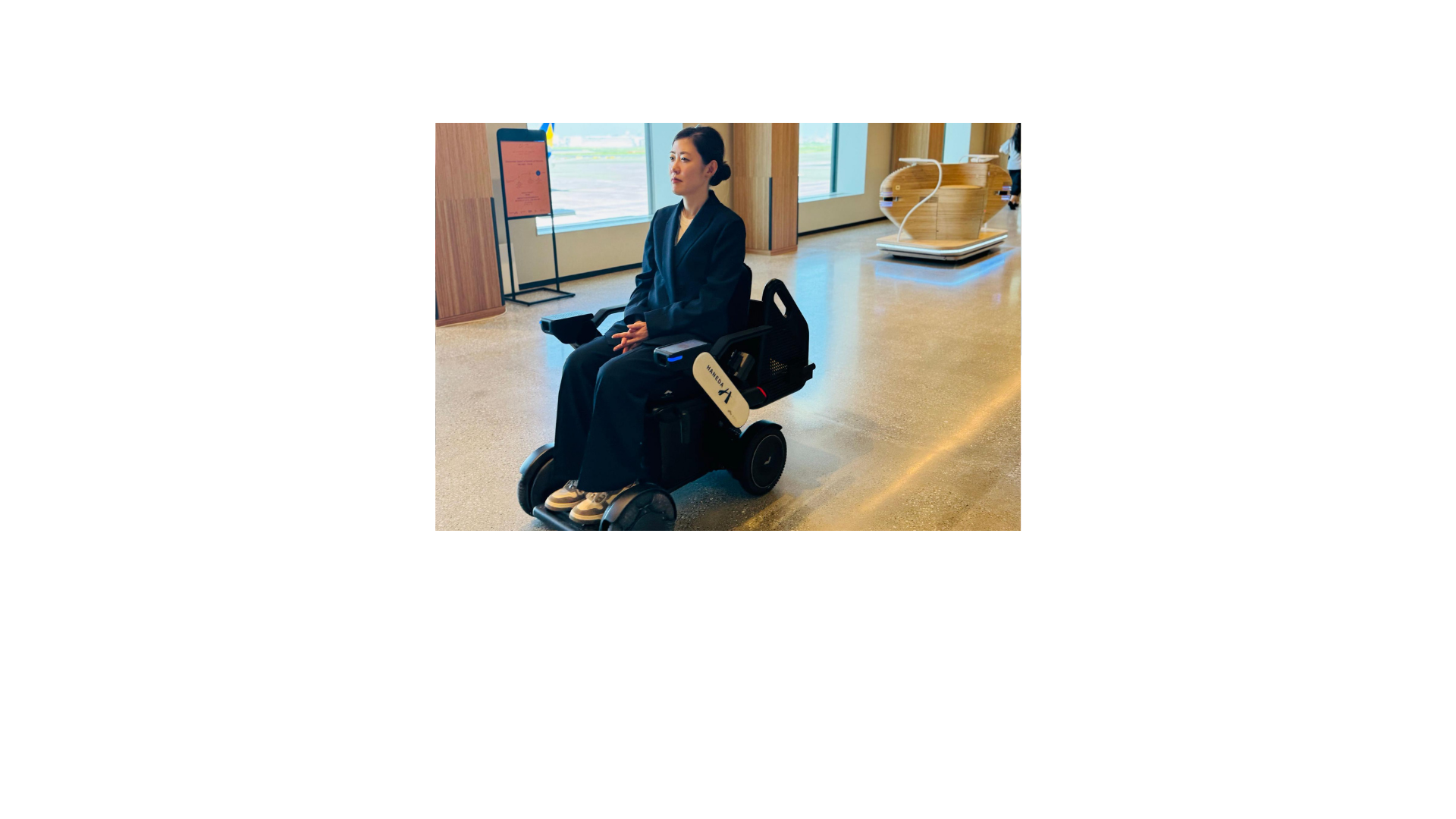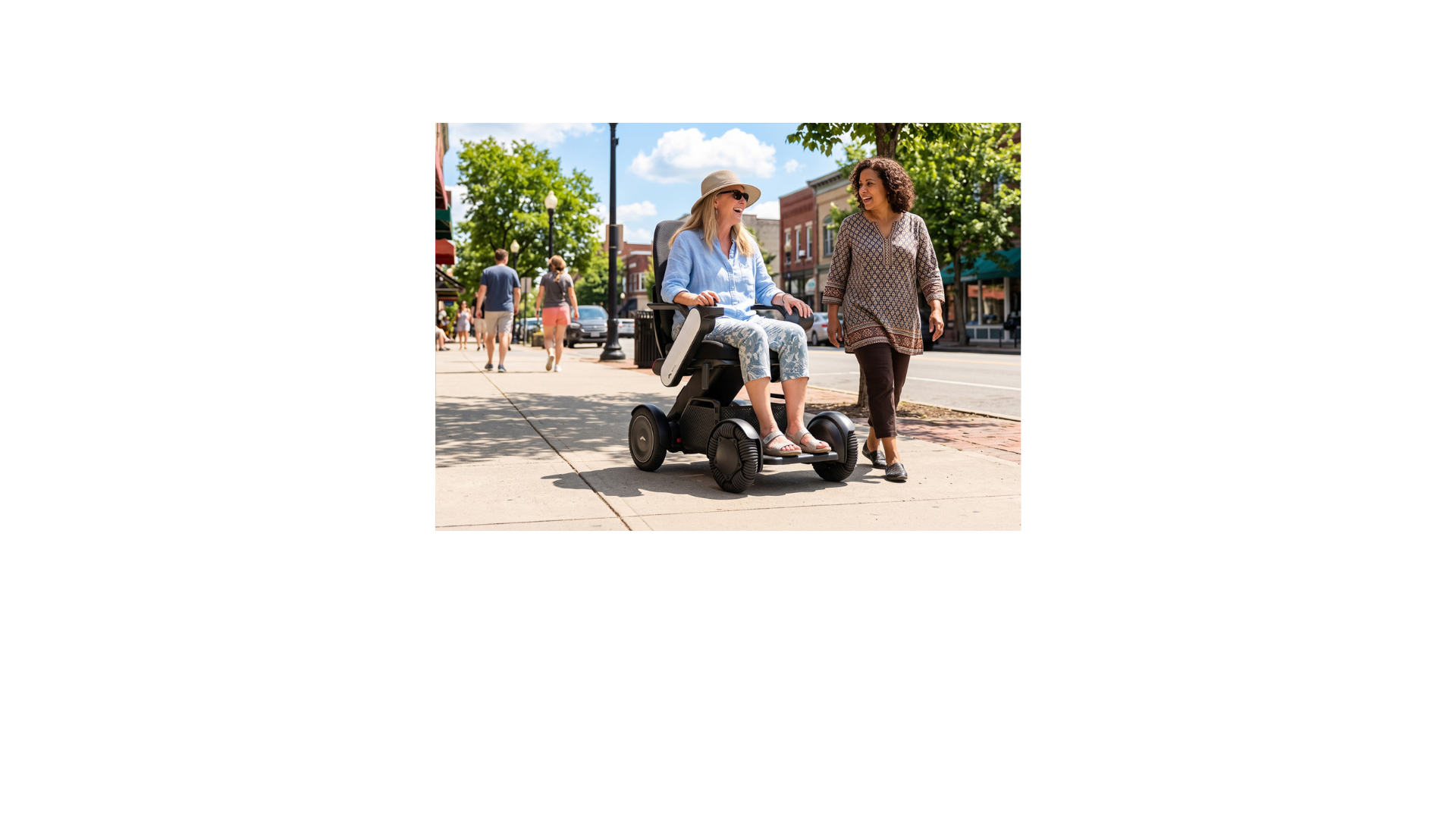
A WHILL electric wheelchair gives you the freedom to plan your day with confidence. Understanding your battery range helps you decide where you want to go and how long you can stay out. When you head out for work, errands, appointments, or a full day away from home, the most common question is “Will my battery last for what I want to do?”
The WHILL Model C2 range and the WHILL Model F range are rated at 12.4 miles – 20 kilometers – per charge based on standardized testing. In real-world use, that distance changes trip by trip. Terrain, route choices, speed, weather, and the weight of your load all impact battery life. Being aware of these factors helps you predict your range more accurately.
This guide explains how battery range works in real life, helping you plan trips, adjust your driving habits, and use your charge more strategically.

What Is WHILL’s Rated Range?
Both the WHILL Model C2 and Model F are rated for up to 12.4 miles on a full charge, as per the International Organization for Standardization ISO 7176-4:2008 test standard. This rating reflects a controlled test that measures battery capacity and energy use, establishing a common baseline for the electric wheelchair rated range within defined speed and weight limits.
The chairs are tested in ideal conditions, including flat terrain, moderate temperatures, and an average rider weight capacity. Inclines, uneven paths, and driving speed all affect travel distance.
The WHILL Difference
Some power chairs are designed for an extended all-day range, but that often requires heavier frames and larger battery systems. For example, the Pride Jazzy Select’s power wheelchair battery range offers 19.4 miles per charge, but its overall weight makes transportation and travel more challenging. The base alone, without batteries, weighs 94 pounds. Mid-wheel models, such as the Invacare TDX SP2, are rated for a 20-mile range. Depending on the configuration, the chair weighs between 330 and 450 pounds, prioritizing range over portability.
WHILL takes a different approach. The WHILL C2 and WHILL F balance a moderate wheelchair driving range with lightweight construction, featuring tight turning radiuses and airline-friendly batteries. This design offers a practical daily range without compromising ease of transport.
7 Factors That Impact Your Actual Range
Your real-world wheelchair range depends on where you drive, your speed, and the resistance created by terrain and load. Several wheelchair range factors affect daily performance and explain why your range changes from one outing to the next.
1. Terrain and Grade
Terrain affects how far you can travel. Even a slight incline of about five degrees or uneven surfaces like grass or gravel drain the battery faster than smooth, flat ground. This is noticeable when using your mobility chair on terrain such as parks, sidewalks, and mixed indoor-outdoor routes.
Both the Model C2 and Model F are rated for inclines of up to 10 degrees, though steeper grades require more power and reduce the total range.
2. User and Cargo Weight
The total weight affects the amount of current the motors draw to move and maintain speed. The Model C2 supports a maximum user capacity of up to 300 pounds, and the Model F supports up to 250 pounds.
Carrying extra items like bags or groceries increases rolling resistance and motor demand. More weight means the system uses more energy to cover the same distance, making weight a direct power wheelchair range factor.
3. Speed and Driving Mode
Speed determines how much electrical current the motor draws to maintain movement. At higher speeds, the motor uses more current to overcome air and rolling resistance.
The WHILL Model C2 reaches up to 5 mph, while the Model F peaks at 3.7 mph. Slower, steady speeds reduce current spikes and thermal loss, which improves power wheelchair efficiency over longer distances.
4. Battery Age and Health
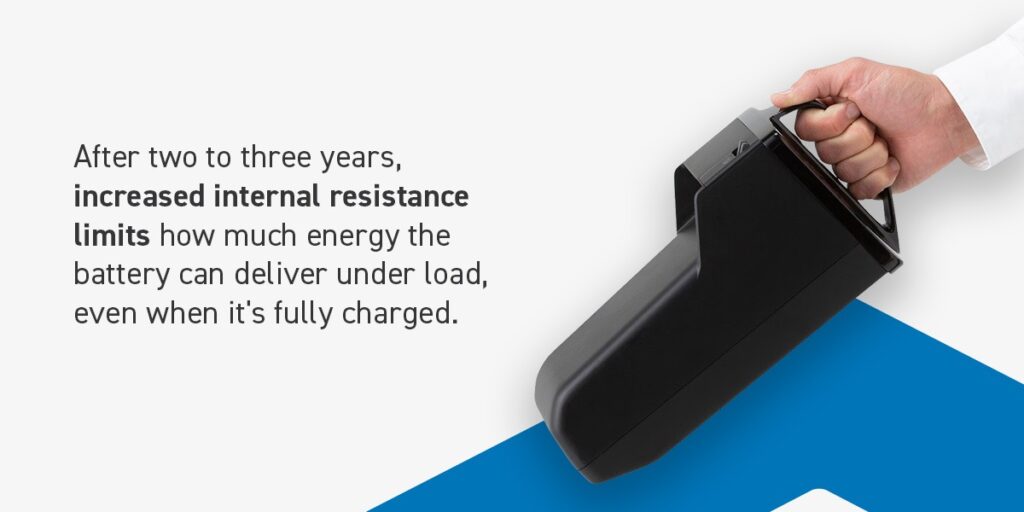
Lithium-ion batteries lose capacity as their internal chemistry degrades over time. After two to three years, increased internal resistance limits how much energy the battery can deliver under load, even when it’s fully charged.
Frequent deep discharges speed up this process, making battery condition one of the most common reasons for reduced range.
5. Temperature and Weather
Cold temperatures slow battery reactions and reduce voltage when more power is needed. In lower temperatures, available energy drops faster during acceleration and climbing, leading to noticeable range loss.
Wet conditions increase the rolling resistance and reduce tire grip, requiring higher motor torque to maintain speed. This extra load increases energy use over time.
6. Tire Pressure
Tire pressure directly affects how much energy is lost at the ground from rolling resistance, yet it’s one of the most overlooked battery drain causes. Underinflated tires increase friction and heat, forcing the motor to use more power to maintain speed.
Checking tire pressure on a regular basis is one of the simplest ways to maintain a longer range.
7. Driving Habits
Driving inputs affect how power is drawn from the battery. Smooth acceleration keeps motor demand stable, but frequent starts, stops, and sharp turns create repeated current spikes. These spikes increase resistive losses in the electrical system and reduce overall efficiency.
In urban areas, stopping and starting can drain your battery quickly, reducing your travel distance on a single charge.
How to Maximize Your WHILL’s Range
Maximize your WHILL’s range by avoiding rapid starts, frequent speed changes, and carrying unnecessary weight, all of which increase power use. These power wheelchair battery tips focus on actions that reduce unnecessary battery drain. Use them to maximize wheelchair range by getting more distance out of a single charge:
- Charge smartly: Keep your battery topped off before long trips and avoid letting it drop below 20% to support proper lithium-ion battery care.
- Check tire pressure: Maintain proper inflation to reduce rolling resistance and unnecessary power use.
- Plan your route: Choose smoother, flatter paths to limit sustained motor strain.
- Travel light: Remove nonessential items to reduce weight and lower energy demand.
- Drive steadily: Use gradual acceleration and smooth stops to avoid power spikes.
- Use the app: Adjust speed and efficiency through the WHILL app battery management settings to limit excess battery draw.
- Monitor the weather: Store and charge the battery indoors and limit exposure in extreme cold conditions to reduce range loss.
- Carry a spare battery: Keep a removable backup battery on hand to extend usable range when charging access is limited.
Find the WHILL Chair That Fits Your Lifestyle
Understanding the real-world range of your WHILL chair starts with recognizing that no two days or users are the same. Your weight, terrain, climate, and driving habits all influence how far you’ll go on a single charge.
WHILL’s 12.4-mile rating is achievable under ideal conditions, but many users plan around a practical range of 8 to 10 miles per day and build in a safety buffer for more confident decision-making.
With a modern design and transparent expectations, WHILL empowers you to stay in control during real-world electric wheelchair use. Contact us to book a test-drive or find a retailer near you for a practical demonstration of how WHILL’s lightweight frame and easy handling make a difference to everyday range.

Linked Sources:
- https://www.iso.org/standard/40991.html
- https://whill.inc/us/your-guide-to-power-chairs-and-electric-wheelchairs/
- https://whill.inc/us/power-chairs-what-they-are-and-their-benefits/
- https://www.sciencedirect.com/science/article/abs/pii/S0306261925007172
- https://www.researchgate.net/publication/26646970_Impact_of_Surface_Type_Wheelchair_Weight_and_Axle_Position_on_Wheelchair_Propulsion_by_Novice_Older_Adults
- https://whill.inc/us/your-guide-to-traveling-with-an-electric-wheelchair/
- https://whill.inc/us/find-a-store/
- https://whill.inc/us/contact/